Nay, Lilly is cute 😺
kjo
joined 2 years ago
I am making an argument that copyleft licenses such as GPL are better than permissive ones because of the extra guarantees, primarily to the benefit to communities instead of corporations.
You on the other hand are making a false equivalence.
This is what i wrote:
If corporations want to release a software based on modified version of my code, I want a guarantee that the modified code to be available to the community too.
This is what you wrote:
What you are saying is, if they extend the Open Source software, you do not want the Open Source version anymore. You only want theirs.
The false equivalence is that because i desire communities to be the primary beneficiary of my code and its modifications, then i must also "... you do not want the Open Source version anymore. You only want theirs."
These are not equivalent. You have begun using a logical fallacy. More elaboration of my arguments will be fruitless. Good bye.
I welcome collaboration from everyone (including corporations).
With permissive license, corporations are allowed publish a modified version of the software while restricting their code modifications from release to the community. That is not collaboration. Permissive license benefits corporations more than the community.
corporations are a major (majority) source of Open Source
Which is why they choose permissive licenses for their projects. They receive code contributions from the community and then suddenly: rugpull! Starting from next version the software will be proprietary. The community contributors are of course having pikachu face when they realize the corporations are legally permitted to take the fruit of their labor from them because their contributions are under permissive license.
Nothing have been lost.
My time and effort has been lost. The fruit of my labor has been lost. When i contribute or make to a Free Software project, i wish for it to benefit the community the most. If corporations want to release a software based on modified version of my code, I want a guarantee that the modified code to be available to the community too. The corporations benefit from my labor, but the community receives the company's modified code too. That's collaboration. Copyleft licenses such as GPL guarantees this.
Of course, such guarantee is considered "restriction" if one never intends the community to be the primary beneficiary in the first place.
When I release code as Open Source, I am providing unpaid labour to everyone.
With permissive license your free labor benefits corporations the most. Corporations that take things and enshittify them and do not give back to the community, all the while they get rich. Your choice your prerogative.
Permissive license means that whoever (say a corporation) modifies some code and release a software from it, they are not obligated to release the modified code under the same license. Which means they can use Open Source software to make proprietary software, make money off it, and the community receives nothing back for their labor.
GPL forbids this. With GPL anyone can still modifes the code and release a software from it. But it obligates that the modified code must be released as GPL too. So GPL guarantees that the community benefits.
The act of choosing a license political one. Are you willing to provide unpaid labor for corporations? Or do you want your code to benefit communities?
Cannot unsee 😌
Indeed. Very well done. 🖼️
Bear with me for a bit, because i don't understand these schemes.
If the sellers instead just closed up shop, they would get maybe a fraction of the money they would from selling it, mainly in selling off assets… It would be a pittance compared to this scheme.
How would the sellers get more money from this scheme? Isn't liquidating company assets are basically what the buyers (the private equity firms) did anyway?
collect whatever they can from insurance
How does the insurance companies keep falling for these? This has happened several times, and insurance companies aren't known for being charitable.
Phone needs to be connected to the internet for about a week (6 days for me) to get the OEM Unlocking
Ahhh, that's good to know now that i'm actually considering buying this device. That sucks. Still better than Xiaomi though.
~~This is the same as moto g45 5G i think.~~ Apparently moto g 5G ≠ moto g45 5G.
I am considering moto g45 5G at the moment.
I will probably keep my current device for shit apps necessary for banking etc.
I will install LineageOS on moto g45, and it will be for programs that will not have google's approval / F-Droid stuff.
Looks like I'm searching for a device that can run LineageOS, then.
🤗
305
How to Build a Powerful Reverse Proxy Firewall for Blocking the Evil Web-Scraping Robot Hordes from Hell
(cheapskatesguide.org)
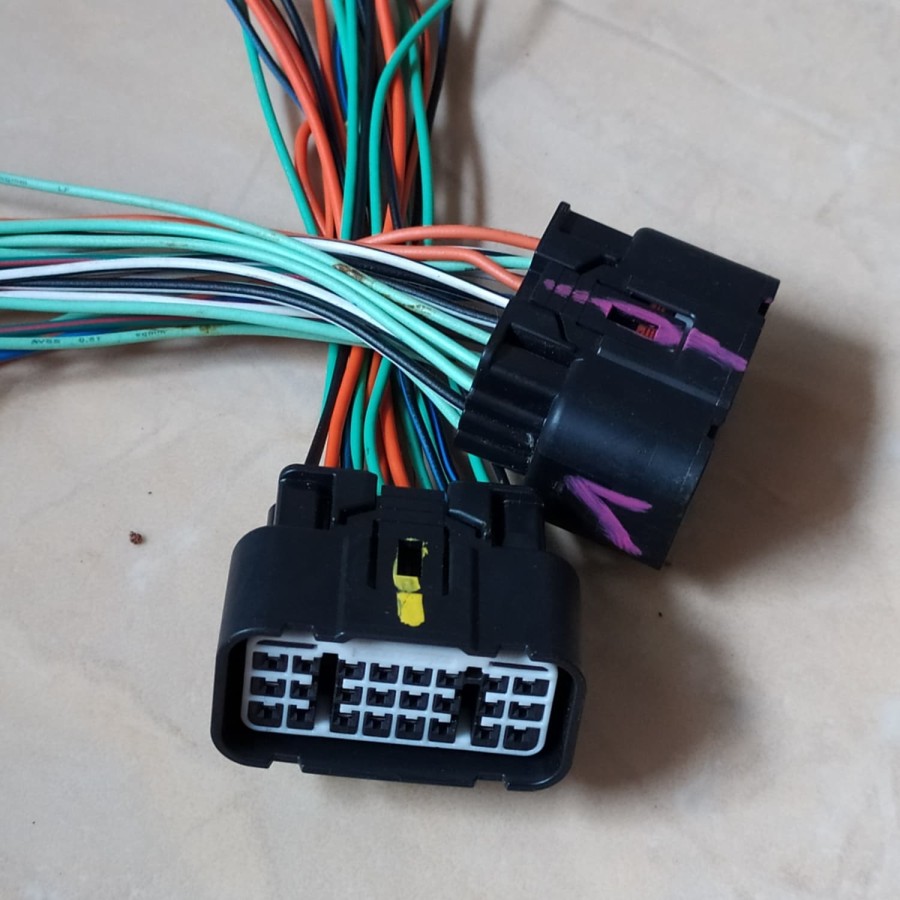
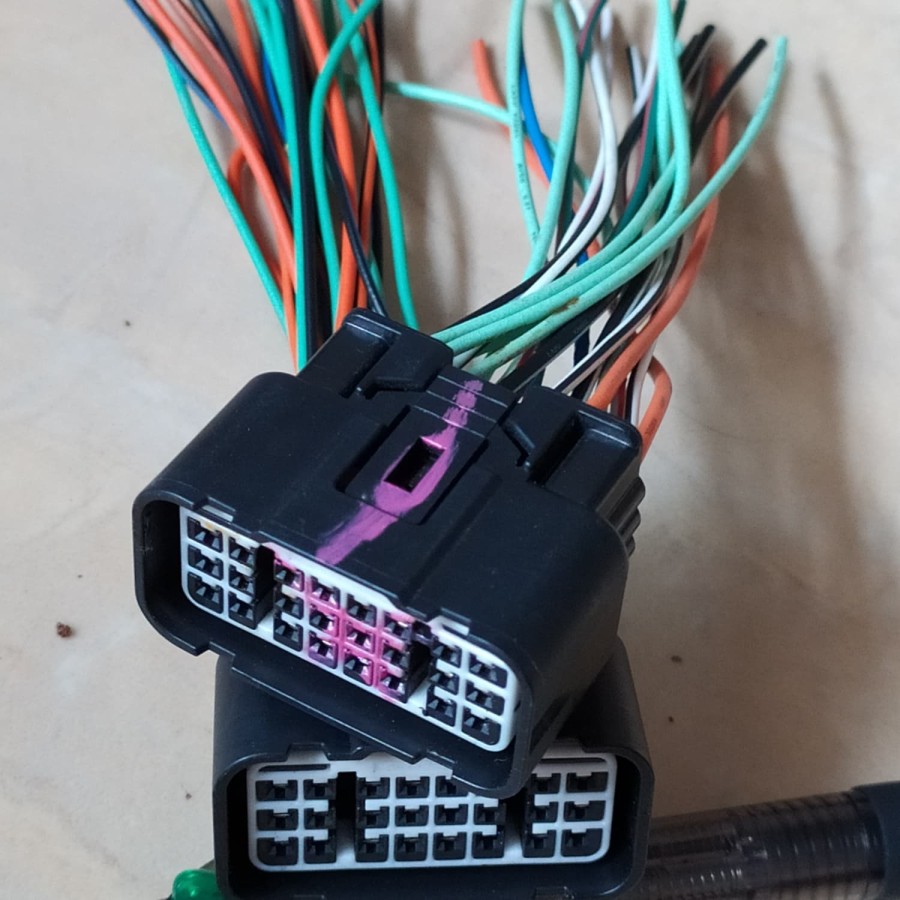
Hello Ask Electronics community, please help me identify the name of this connector.
For context, this is from a motor scooter: Yamaha Mio M3 125. This socket connects the ECU to the wiring harness.
I wish to know how to open this socket to access the rubber/silicone seal inside, and to know that first I need to identify the name of this connector.
So anyone know what is the name of this connector?
Something like "Superseal 24-pin" or so. Also, to clarify: I am not searching for replacement part for this connector. I only need to know the name.
Here are some more pictures of the connector (hover above the picture to see alt-text).
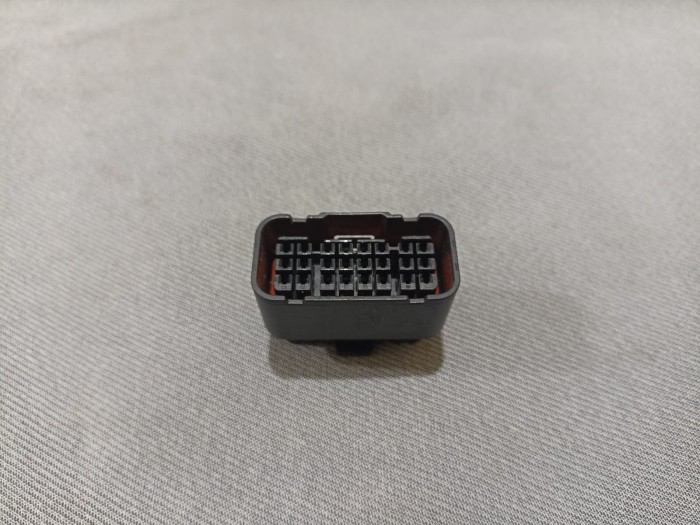
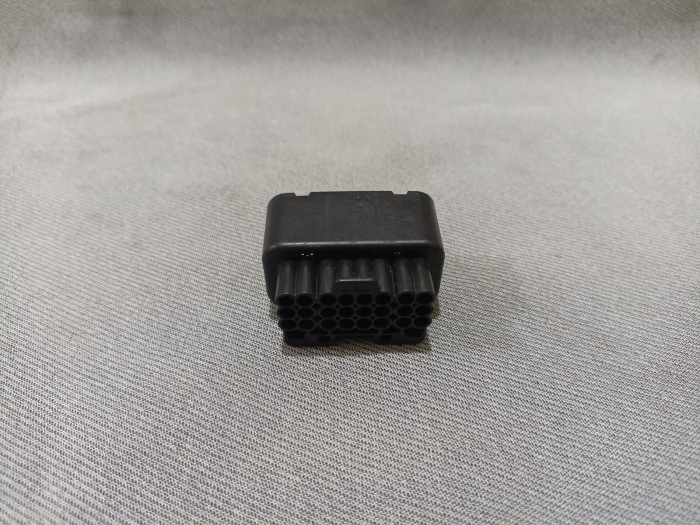
(None of the pictures are mine, I just copied them from the internet).
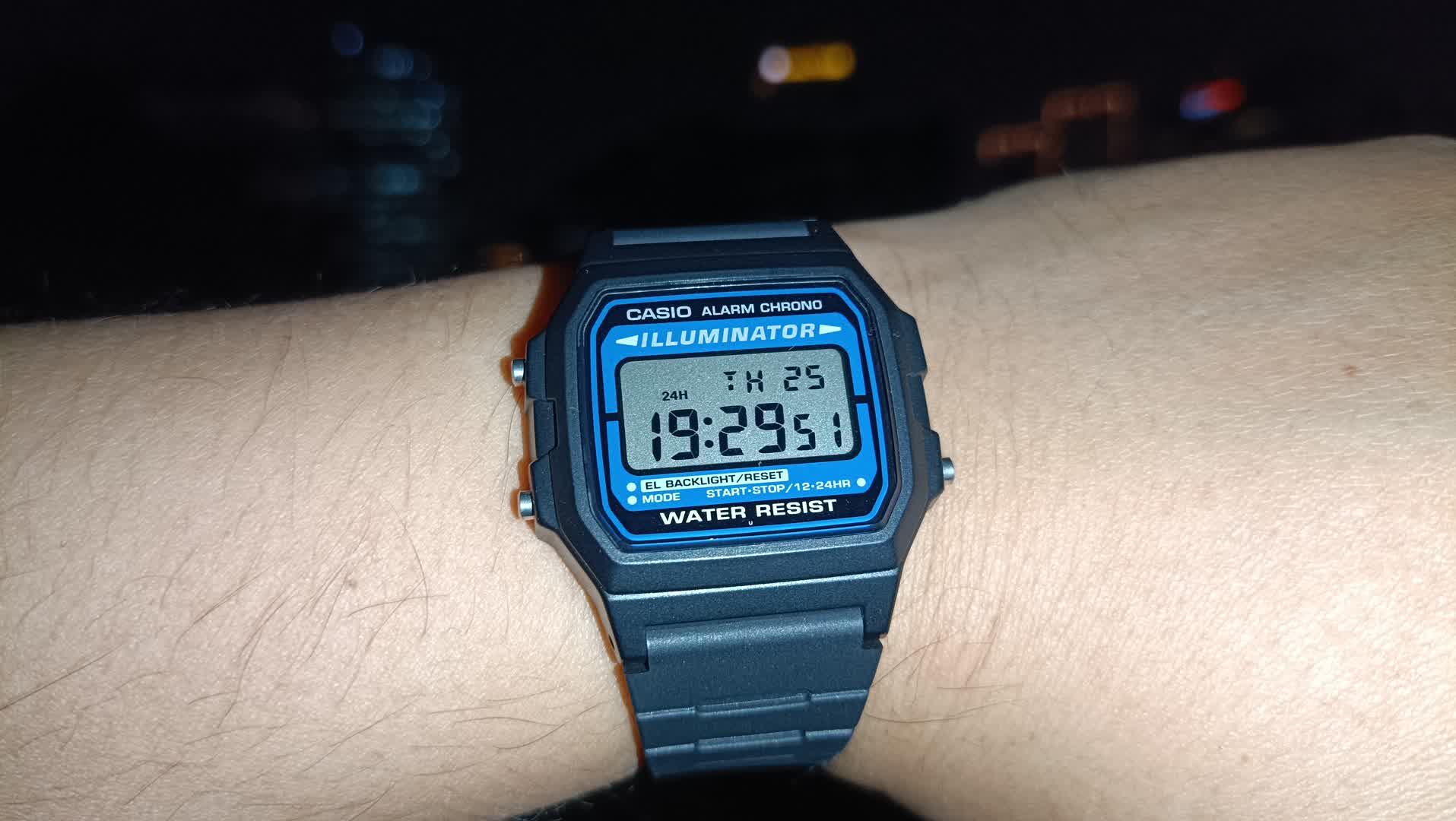
My brand spanking new Casio F-105. It is only less than a day, but I like it so far. 😘
Last time I wore a digital watch was decades ago.
Here's the electro-luminescent backlight. Can you tell I'm not used to take photo in the dark? 😅

view more: next ›
Hey, thanks for the write up. Not everything in there is understandable to me, but I appreciate it.