


The USB hub is powered, and the Pi needed a driver swap for better stability. So far works great.

The USB hub is powered, and the Pi needed a driver swap for better stability. So far works great.

Here we gooooo, the king of all junk setups.
Yeah, I've collected some used disks over the years.
The housing has been drafted in FreeCAD and then sliced out of scrap plywood.
And yes, the temperature is okay.

What's currently running on mine:
cross-posted from: https://retrolemmy.com/post/29171323
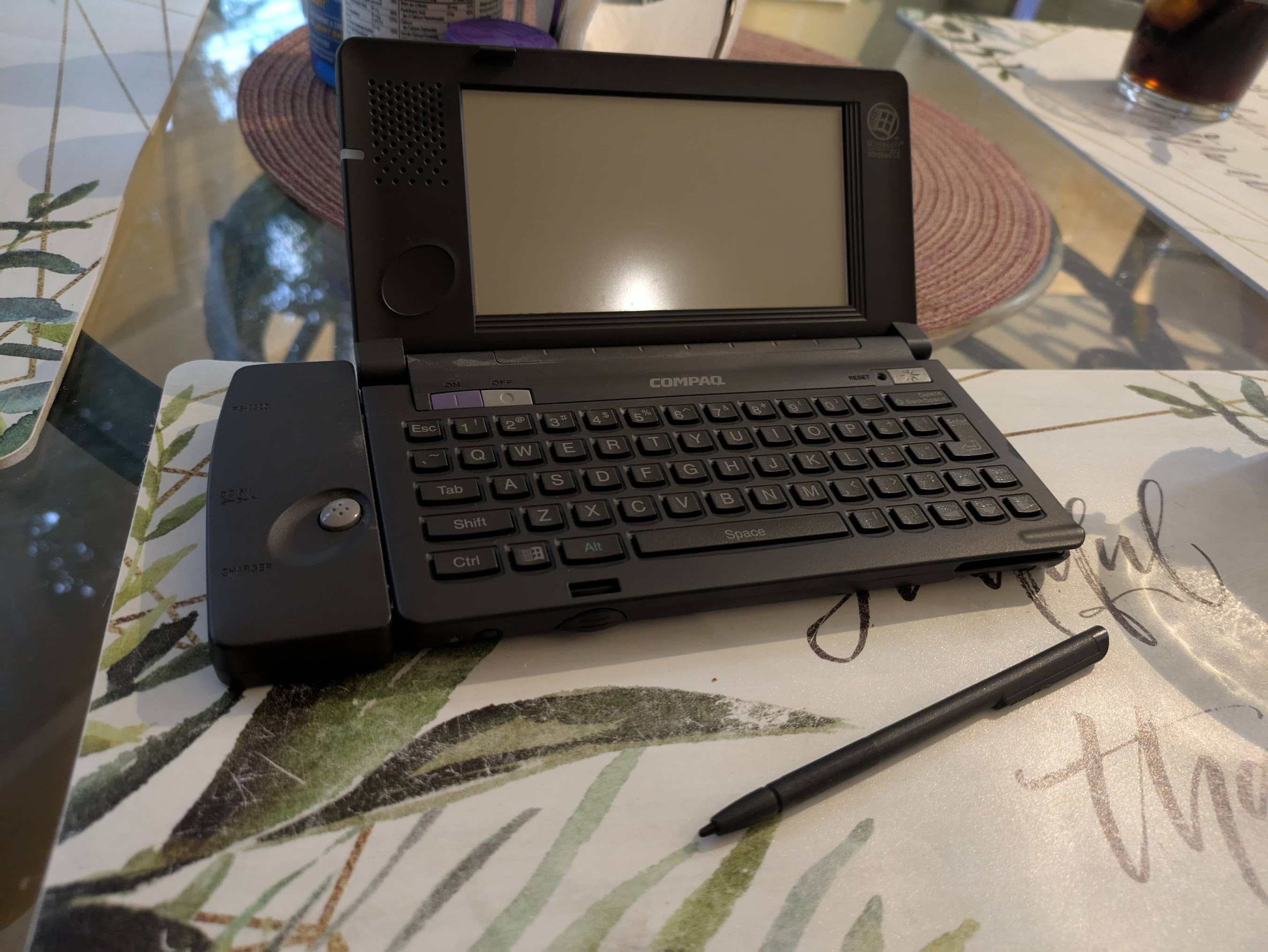
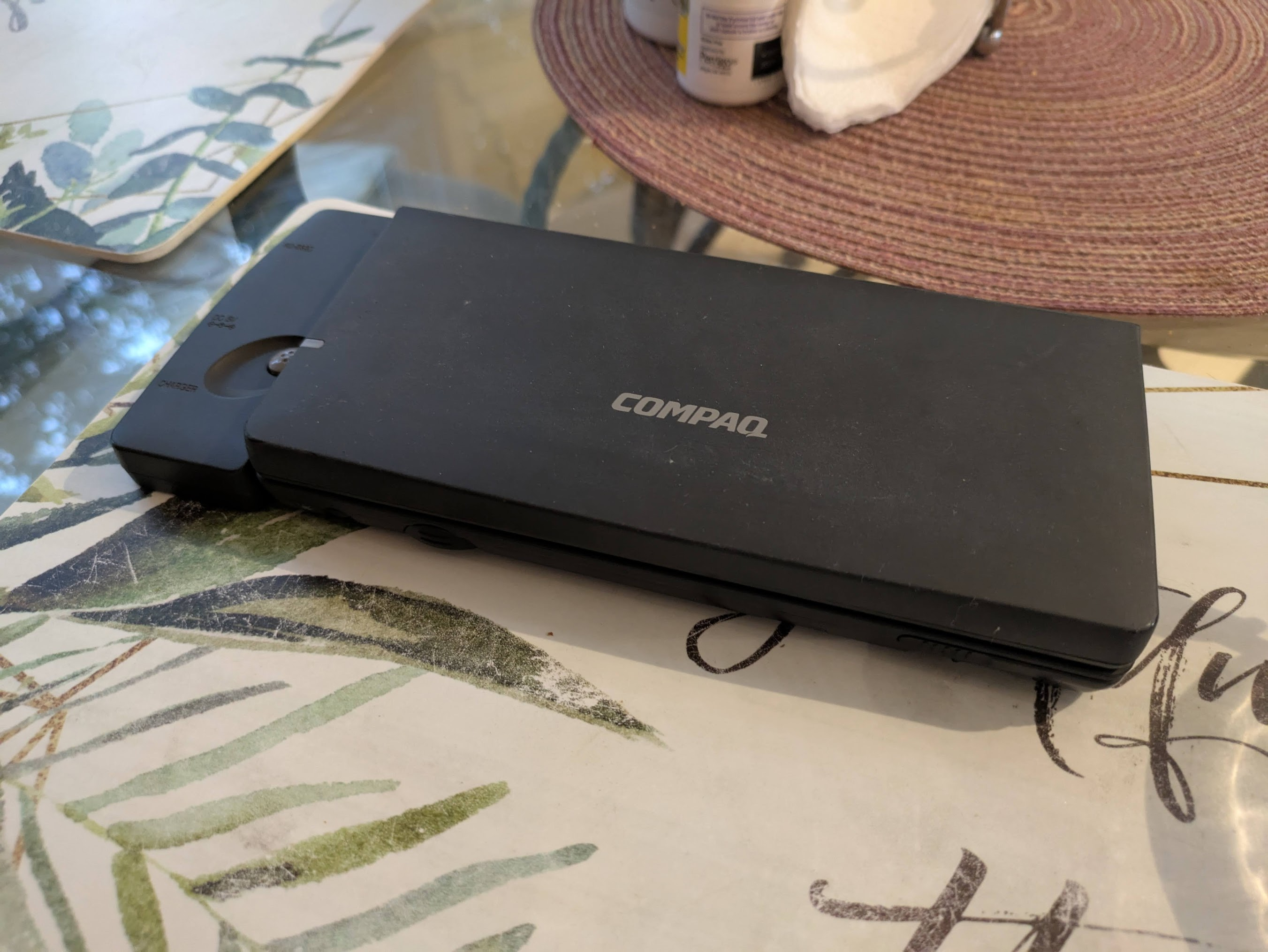
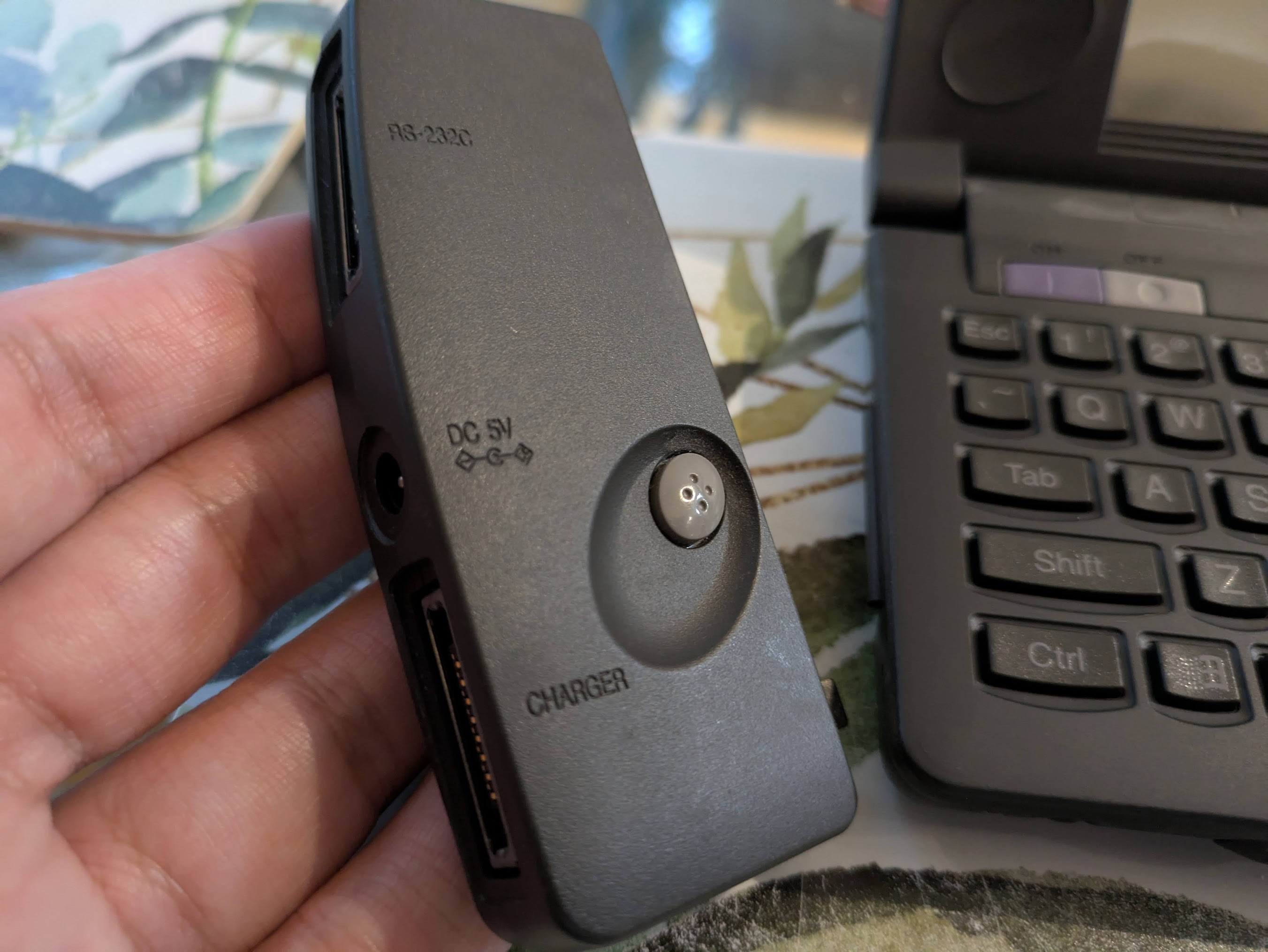
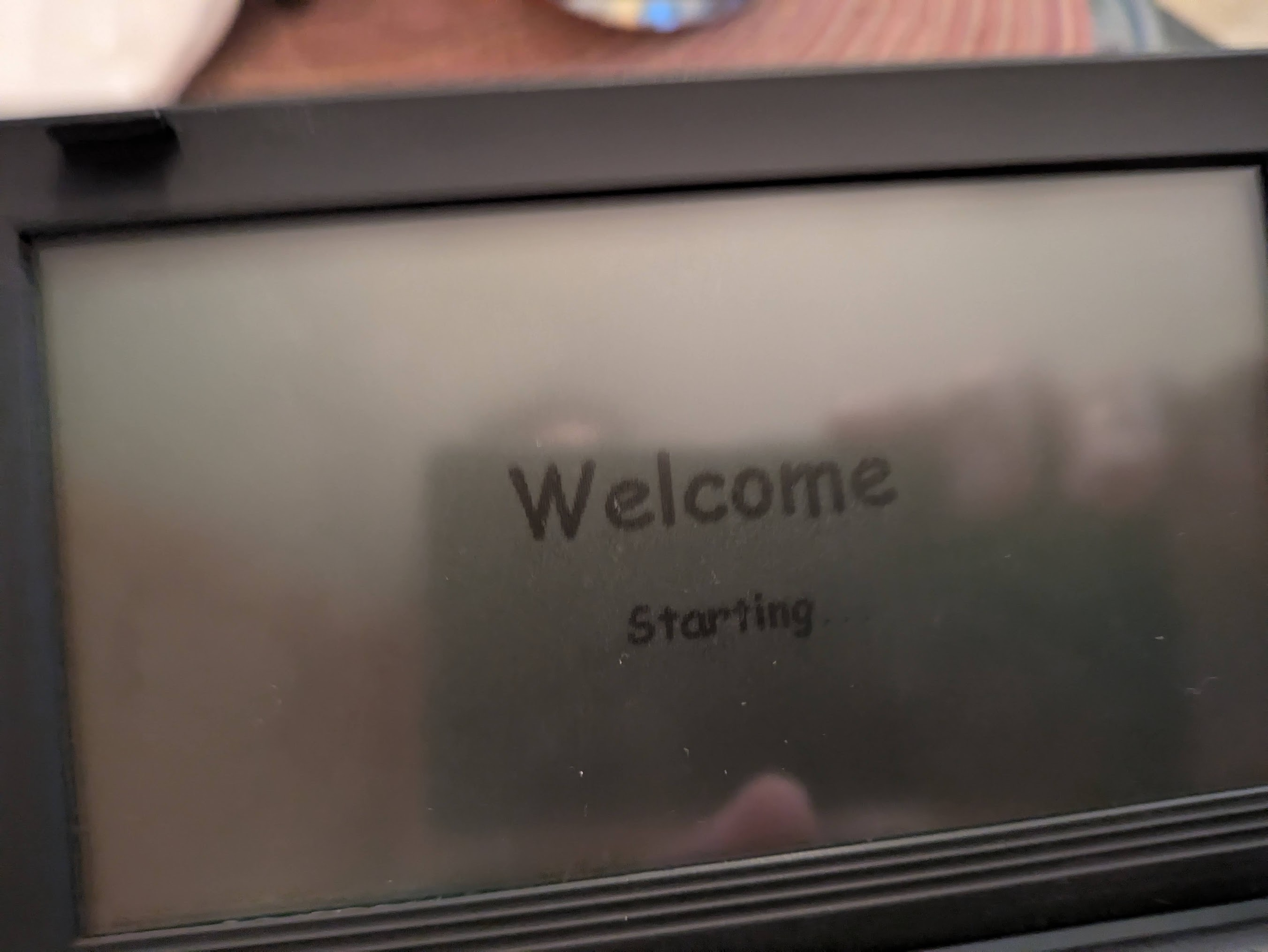
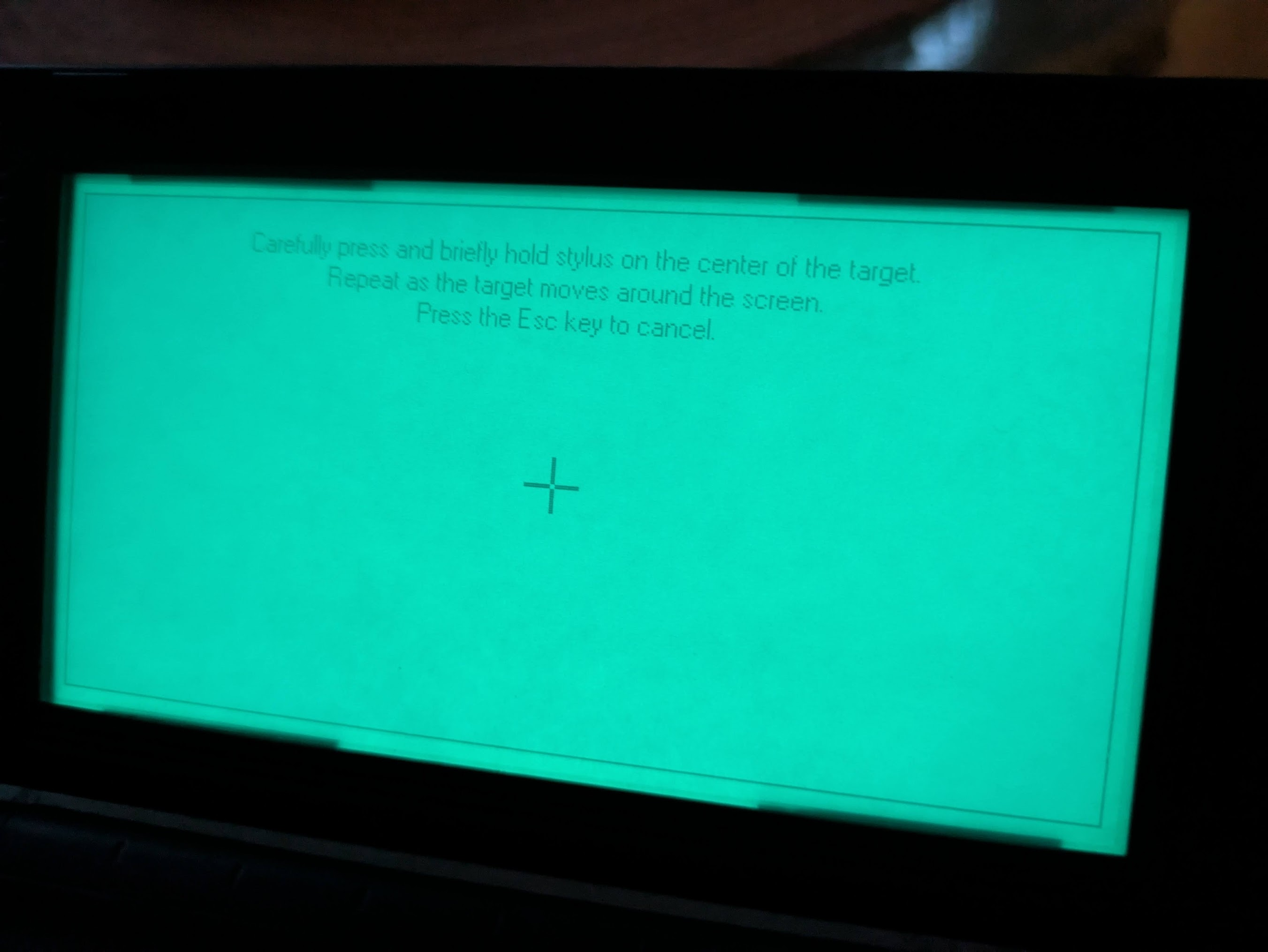
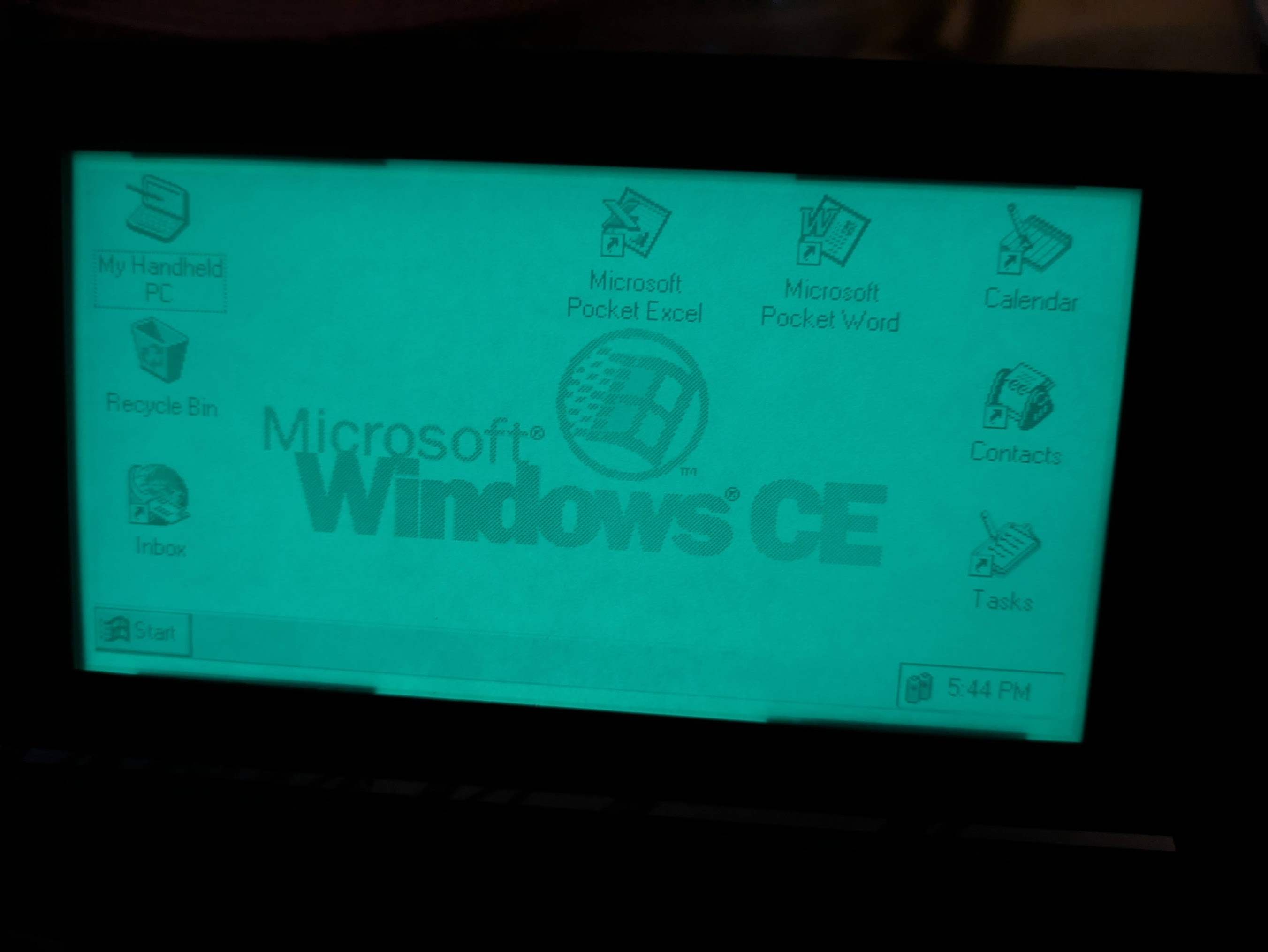
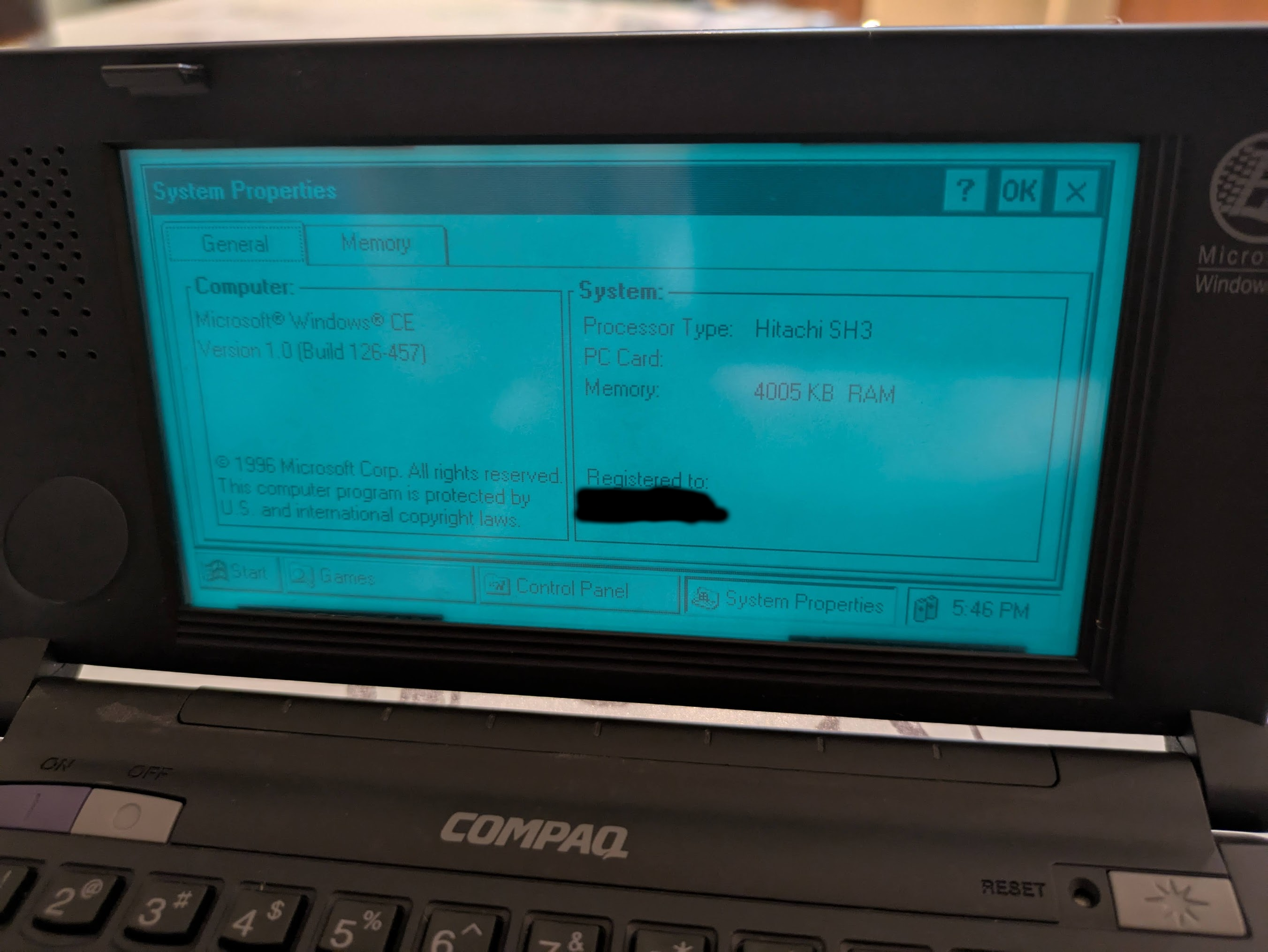
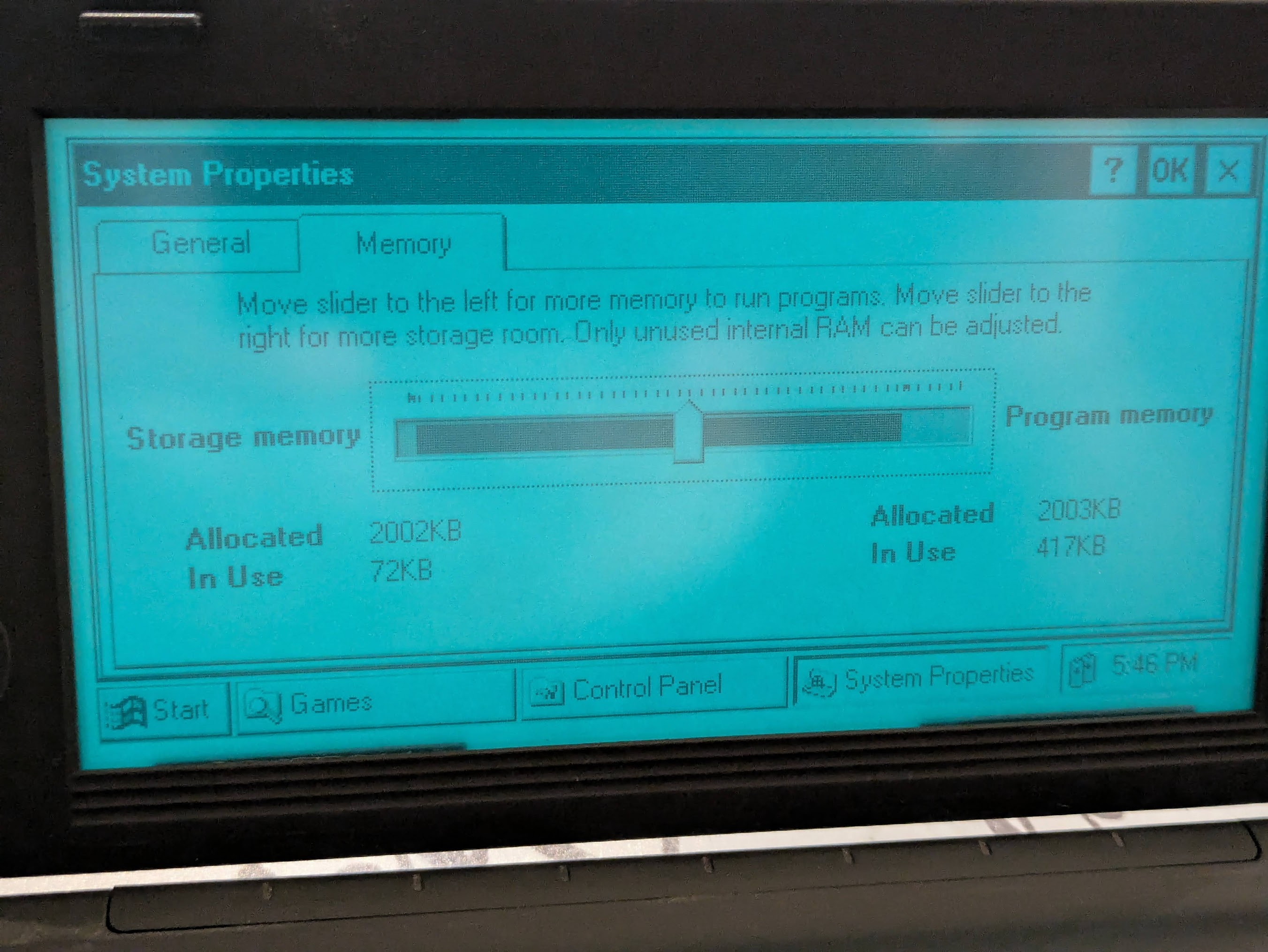
Found my old pocket computer at my parents' house, and it still works!
You could choose between RAM vs storage lol, and of course the storage gets wiped when the batteries die
Ooooh that roomba brush is Muscat's favourite toy! He'd play the damn out of it.
Bring Your Own Box
Homebox supports the https://<hostname>/a/<inventory_id> shorthand and does a 302 jump for you. Otherwise yes, I would have implemented the API search in a microservice.
Muscat is a totally different beast. Before any treats he would effin' murder for pets.

It's Nelko P21, around $20.
For now I use the vendor provided app, given it supports a share intent, so I can simply toss a PNG from Vivaldi at it and make it print the label. It does the job, and more importantly, it bypasses all possible obnoxious advertisement.
Chilling like no one is watching.

Surprisingly, it works! I just checked it on my microservice, indeed now QRs are smaller. This is a lifesaver tip, thanks a bunch!
I keep track of lots of vintage devices in my basement, these lay on a CD shelf with narrow walls, and I want to keep track of their maintenance status, i.e. when did I charge the battery last time.
This little printer is pretty handy for labeling tasks, with one noticeable problem: the resolution is quite low, so I cannot afford printing full length domain name on such a tiny label. What I ended up with is writing my own microservice that puts fake http://i.nv/ domain in front of inventory ID. That domain is provided by DNSMASQ that I run on my server, and there's also NGINX listening for that domain and doing 302 onto an actual Homebox page.
Homebox sends URL parameters to the specified endpoint, and given that information it is possible to construct any label of any shape or form, it only needs to be a PNG image.
I hereby kindly invite you all to join me on this little journey, I'll do my best to make it a FUN one!
Head over to https://vcfb.de/ for more details!

And I just made an HTTP endpoint in golang that outputs PNG labels with small QRs just as I need them, to print out on my Bluetooth label printer.



Your guitar is out of tuna!