jim3692

joined 2 years ago
[–] jim3692@discuss.online 1 points 3 days ago

Vanadium is not just mobile only. I am pretty sure it's GrapheneOS-only, because it relies on some of the security features that Graphene implements.

My bet is that a company, that doesn't trust Firefox, probably doesn't trust Graphene either. So, Vanadium is not an option either.

[–] jim3692@discuss.online 2 points 3 weeks ago (3 children)

What if the key itself had a limited available time to get activated, but after activation you keep the game?

This allows any interested content creator to play the game, while limiting the chances of abusing the developer.

[–] jim3692@discuss.online 1 points 3 weeks ago

I think it has been implemented in microG. Even this sounds weird to me. I wouldn't expect any bank to allow open source NFC card implementations, while blocking unofficial ROMs.

[–] jim3692@discuss.online 20 points 1 month ago (3 children)

Instructions unclear. My ford escort definitely hates me

[–] jim3692@discuss.online 1 points 1 month ago

A mending one?

[–] jim3692@discuss.online 1 points 2 months ago

Καλαμάτα?

[–] jim3692@discuss.online 4 points 2 months ago (1 children)

Samsung, SK hynix, and Micron are getting sued, as it turns out that not all RAM price increases were caused by AI. They just used AI as an excuse to increase their prices.

[–] jim3692@discuss.online 29 points 2 months ago (3 children)

Who the hell runs System Integration Tests at the restrooms?

[–] jim3692@discuss.online 7 points 3 months ago (1 children)

I use it, so that my roommate can play Elden Ring on TV, while I do work on my PC

[–] jim3692@discuss.online 1 points 3 months ago (1 children)

It's Moonlight compatible

[–] jim3692@discuss.online 1 points 3 months ago (1 children)

So, you are telling me that I should throw my time, developing tools for NixOS, out of the window because I will be more free on how to use a damn logo?

If you really feel the need of putting your favorite distro's logo on a cake, you probably need to touch some grass. Try to have a walk, to meet new people.

I understand, and support, the political aspect of your point, but the cake is a very bad example of the issue.


The picture shows 2x 80mm fans, mounted under a Logi G920 with a custom wheel.

I will probably implement a PWM circuit to control them.


Context

I have a WireGuard network, which consists of some VPSs, some in-premise servers (in different premises) and some user devices (like PCs, laptops and phones). All the servers are running Debian or NixOS.

Port forwarding is only possible in VPSs, as all other devices run behind NAT/CGNAT networks.

In the current configuration, all WireGuard traffic is going through a central VPS. So, every time I need to reboot it, the entire network collapses.

Goal

I want to share the WireGuard configuration between my VPSs, and load balance the traffic between them. Since I don't have a floating IP, I am probably going to add all VPSs IPs to a domain name and let the clients decide which VPS to use.

I don't want to have separate keys on each VPS, as this makes it more time consuming to onboard new devices. It's easier to add a single VPS key to each device, and have their keys in a single shared VPS config.

Problem

Is there any way to allow the communication of 2 devices/servers, that are connected to separate VPSs?

If it's necessary, one option is to sacrifice the communication between the user devices, and configure some additional layer(s) for the servers, like OSPF or VXLAN. However, even in this case, I need the servers to be plug'n'play. I wouldn't like to reconfigure the other servers, every time a server is added or removed to/from the network (except, of course, for the WireGuard key that would need to be added/removed in the VPSs).

Relying on external services, like Tailscale is not an option.


I just discovered this open source obfuscator for mobile apps, that is funded by the European Union.

This has me wondering about the motives, since:

  1. the EU seems to be trying to move towards open source projects for their public domain, so no reason to obfuscate
  2. obfuscation methods should, by definition, be secret


I had a conversation with some sys-admins that are trying to limit what their kids can access on the internet. One was worried about how to implement a YouTube channel whitelist on his network.

So, an idea came to my mind. Wouldn't it be relatively easy to implement this using Piped's API?

Given that the kids' devices are using self-signed certificates, allowing full traffic monitoring, it should be possible to filter YouTube videos using the data provided by Piped API.

Do you guys think it's a good idea? I could start this project, if people think that it's useful.


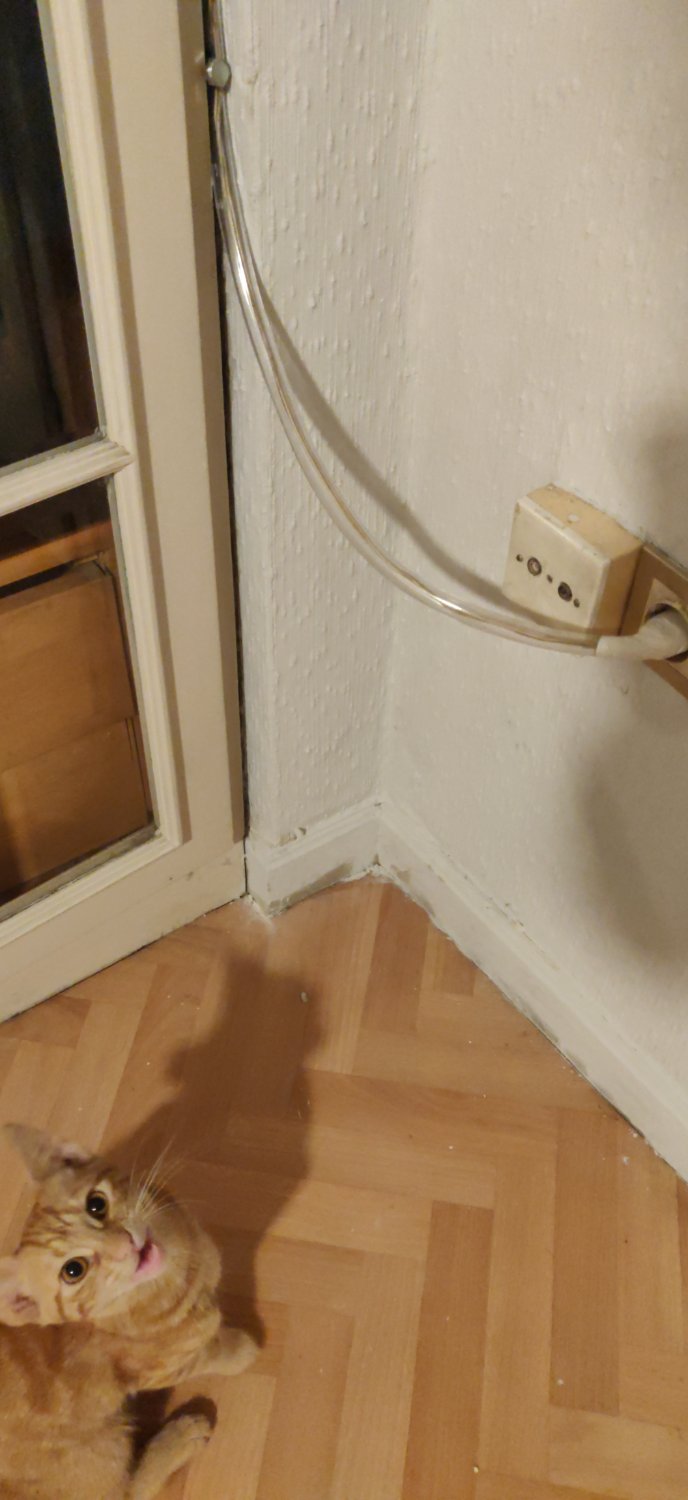
This little monster chews cables. So, I ran power cords through water hoses.
view more: next ›