this post was submitted on 31 Jul 2026
163 points (99.4% liked)
Climate
9077 readers
65 users here now
Discussion of climate, how it is changing, activism around that, the politics, and the energy systems change we need in order to stabilize things.
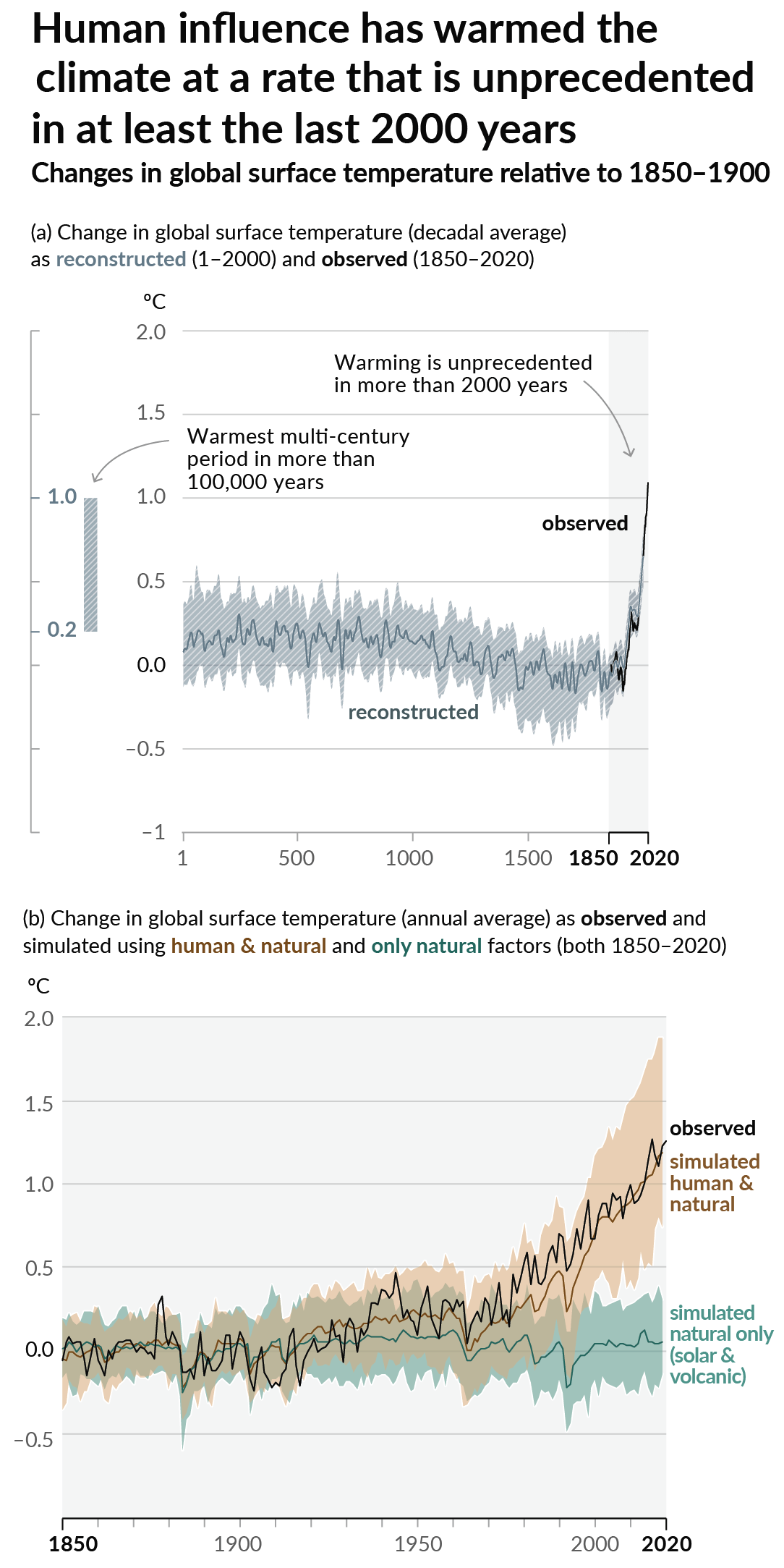
As a starting point, the burning of fossil fuels, and to a lesser extent deforestation and release of methane are responsible for the warming in recent decades:
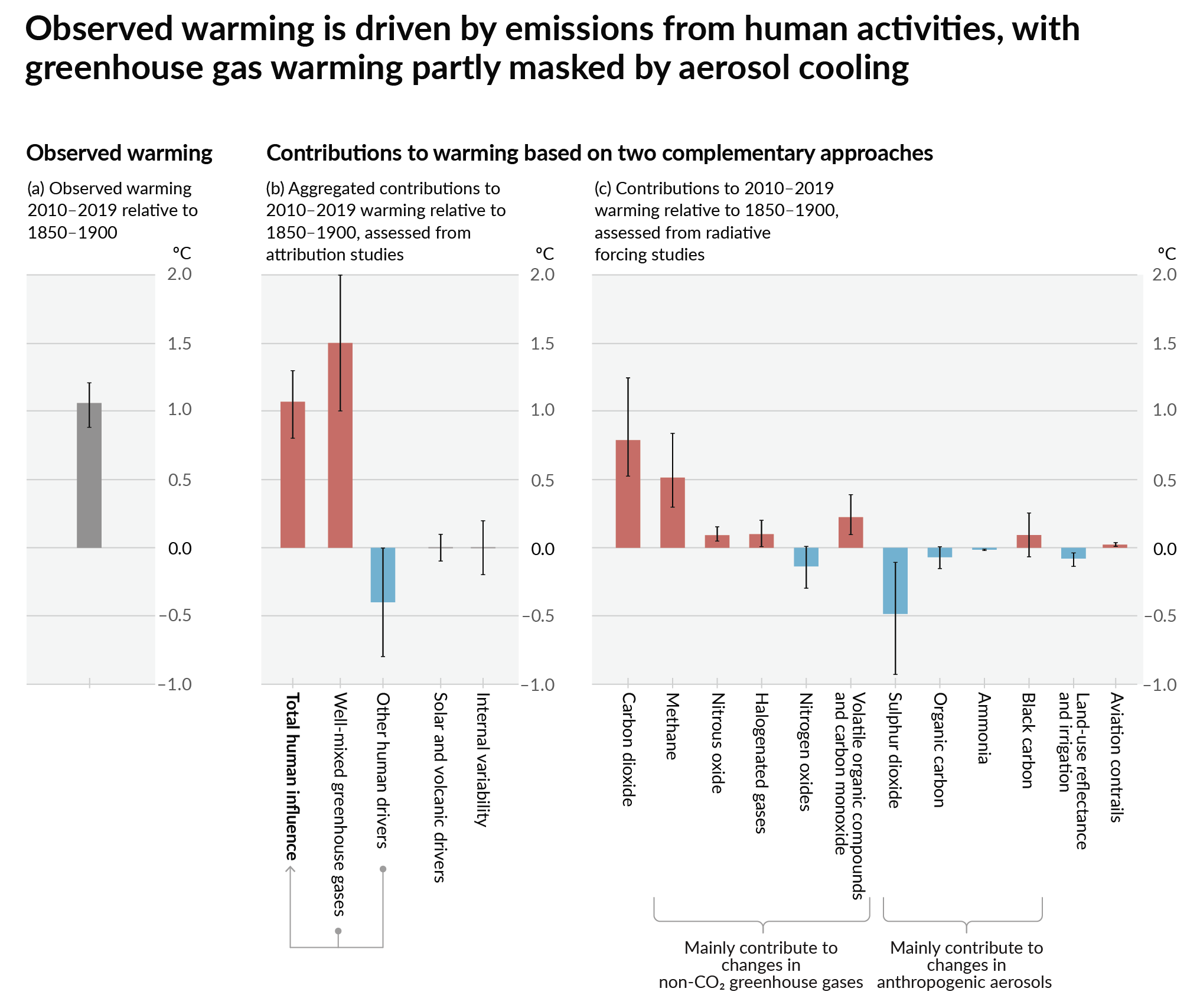
How much each change to the atmosphere has warmed the world:
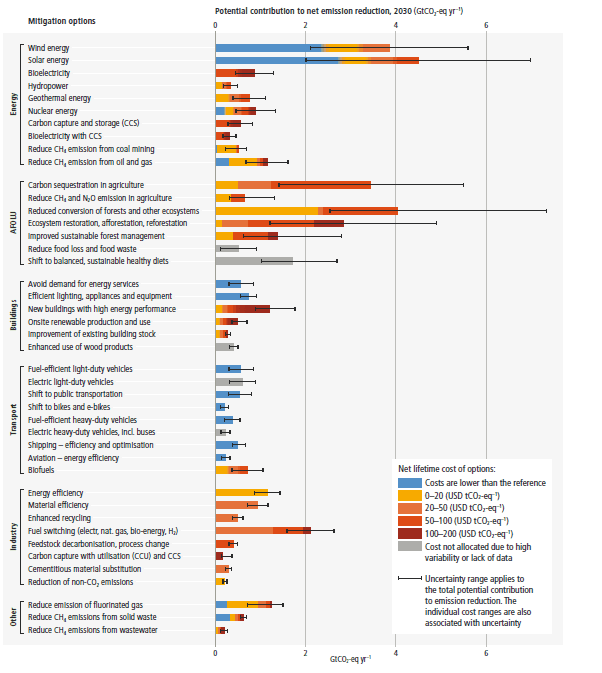
Recommended actions to cut greenhouse gas emissions in the near future:
Anti-science, inactivism, and unsupported conspiracy theories are not ok here.
founded 3 years ago
MODERATORS
you are viewing a single comment's thread
view the rest of the comments
view the rest of the comments
You can do it but the effort is tremendous for very little food. First off finding a way to dehull would be mandatory as hulless varieties only exist for a few heritage varieties. Pretty much no farmer is growing that anymore. For the rolled oats you would have to soak in water, steam, hand crank to roll them and then dry them? And dry them where? Not many kgs of rolled oats would fit in a normal dehydrator.
That's why the toasting in the oven process is by far one of the best traditional methods. We have, probably independently, invented that method here where it's called skrädmjöl and in Finland where it's called talkkuna. Not only do you get a kind of cooked flour that can be eaten raw with milk or yoghurt/fil, the toasting process itself dries out the grain and if you had grain that was too wet for storage this would make it fit for storage. However the result is a very peculiar product. It has a unique taste that could be an acquired taste for some people. Also how it traditionally is eaten results in a brown paste. I like it but I grew up eating it during yearly vacations to Finland. It's not suitable for baking as it's already cooked as a flour. It's like trying to bake bread with bread crumbs instead of flour.
But of course in a survival situation all methods to survive are worth it. But here we talked about a farmer selling raw grain direct to consumers. And I would imagine very few are ready to get through all this to save a bit of money on their carb source, the cheapest part of most people's grocery shopping.