1
Forage Fellows 🍄🌱
324 readers
1 users here now
Welcome to all things foraging! A new foraging community, where we come together to explore the bountiful wonders of the natural world and share our knowledge of gathering wild goods! 🌱🍓🫐
founded 1 year ago
MODERATORS
2
I'm looking forward to the fruits next year! What an amazing gift from this tree.

3
4
cross-posted from: https://slrpnk.net/post/38568460
I've been asked to help ID this plant.
Can anyone ID this fruit? It's a #native #Amazon #rainforest #tree growing in the region of Badass Fruiterrarist Land in far western #Amazonia near Sumaco National Park. We're confident that it's a #Solanum species, but which one? The #fruit is like something between Solanum betaceum (tree tomato) and Solanum quitoense (lulo/naranjilla), and it grows on a narrow but fairly tall tree at the edge of the forest (next to the road).


5
6
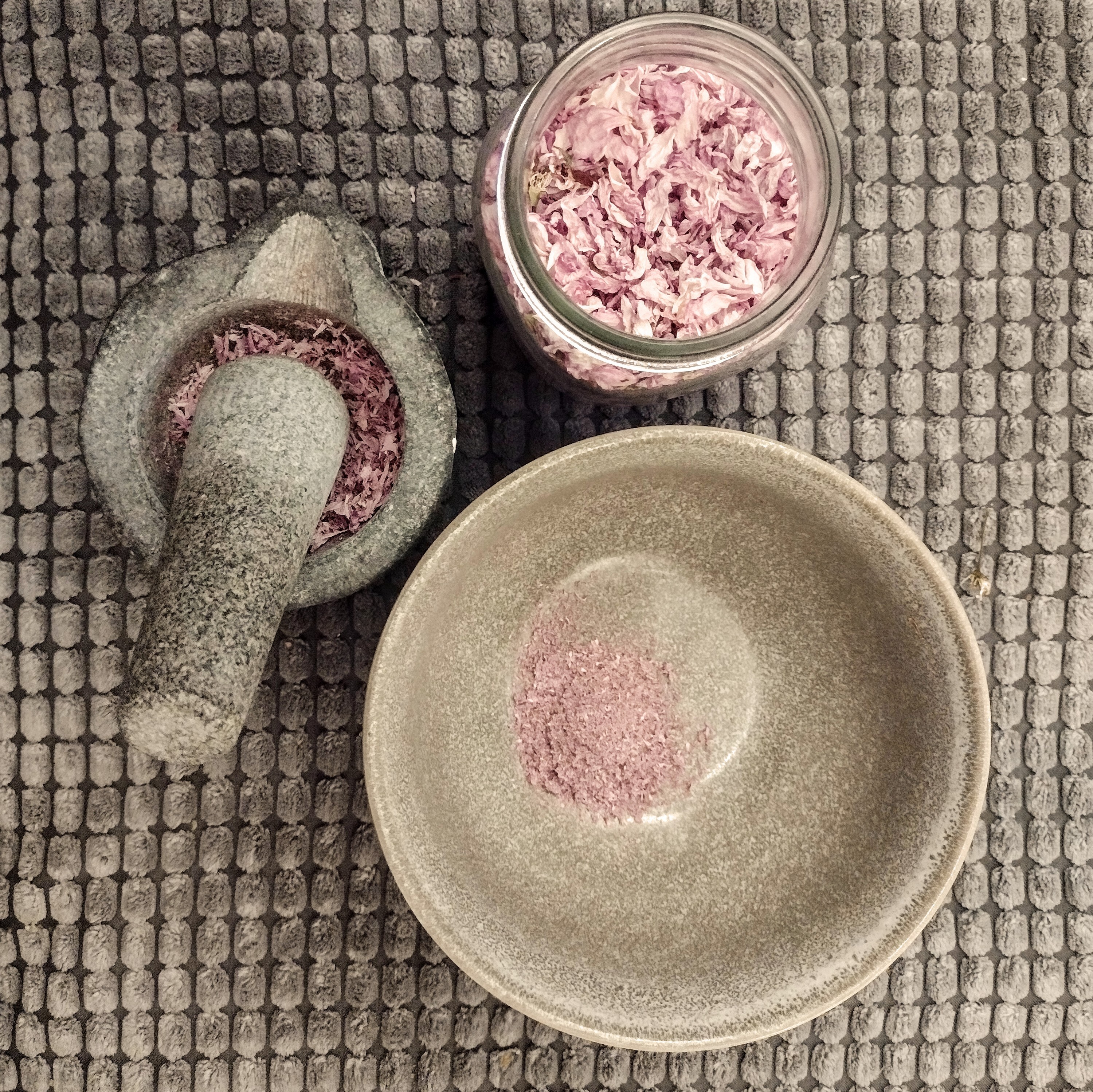
It's crazy how much dandelion dries and compresses down when turned into tea.
I use the whole plant in the tea blend and this is all I got in the end

It's some of the best tea on earth, like a warm hug in a cup. I can't believe more people don't make it.
7
I found a massive field of garlic mustard and made the best pesto I've ever had from it

8
9
The university in my town has many white mulberry trees, and they are ripening. Sadly they are super old and many of them their lowest branches are far out of my reach, but I am not beyond foraging of the ground. And neither is Furiosa...

She is actually eating grass there, but she had been foraging for berries.

10
11
Persimmons were still quite green when I picked them, as the birds had already gotten to the ripe ones first.
They also have very thick skin compared to store bought persimmons, which might be a good think, as I only found superficial damage and just one bug near their weakest part around the calyx
Guavas on the other hand... let's just say I won't need any extra protein in my diet for a while

12
I'm not an avocado specialist, but it seems to be a different variety from the avocado I'm used to forage (which is tagged as persea americana), as this one is rounder like a ball
I'm glad they shared it now, as I'm not to keen to climb the wall where I'm used to go, as it was filled with invasive african snails, which are known to transmit diseases around here
Perhaps it is time to learn how to safely make some escargot?

13
As far as I know, this is a wood-sorrel, aka Oxalis, perhaps an oxalis articulata in this case? I think I might have needed to wait for the flower to bloom to know for sure. If anyone can id them properly, let us know
Lawn owners usually hate them around here, as they only want to see grass in their lawns, which means I only pick them where I know herbicides/pesticides aren't used (and hope there isn't runoff from somewhere else)

14
I think my camera is busted (or it's just my lack of photography prowess), they are looking pinkish in the photo, but it should be red
It is a Malpighia genus, but I don't know the exact species to be honest
Studies show it has around 1,000–4,500 mg, of vitamin C, per 100 grams of fresh fruit, which is around 50–100 times than that of orange or lemon

15
Fruit from Moquilea tomentosa
I can barely finish a couple of these and I already feel satiated. At least for me, this is not the kind of fruit that I can eat a pound in the blink of an eye


17
18
19
1
‘Nature feeds us more than it floods us’: Asheville after-school program teaches kids to forage
(www.theguardian.com)
20
21
22
23
24
cross-posted from: https://slrpnk.net/post/27546872
Not my photos.
Some friends in the Amazon recently discovered a new native fruit growing near their place, and they are now planting it in their food forest. The fruits that they found were already damaged, but the one shown in the thumbnail photo was mostly okay, and they said that the flavour reminded them of sapodilla (Manilkara zapota) and mango. The outer layer of pulp is sweeter than the segments around the seeds.
Immediately after ripening the fruits, the tree is flowering again, which is very fortunate for ID purposes.
I'd say that it's Porcelia mediocris based on the photos. Those flowers are clearly Annonaceae, and the shape of the fruit resembles other Porcelia fruits that I've seen. I arrived at the ID using these sources:
Can anyone confirm? Does anyone think that it's something else?







25

view more: next ›