this post was submitted on 17 Aug 2025
173 points (96.8% liked)
Climate
8766 readers
390 users here now
Discussion of climate, how it is changing, activism around that, the politics, and the energy systems change we need in order to stabilize things.
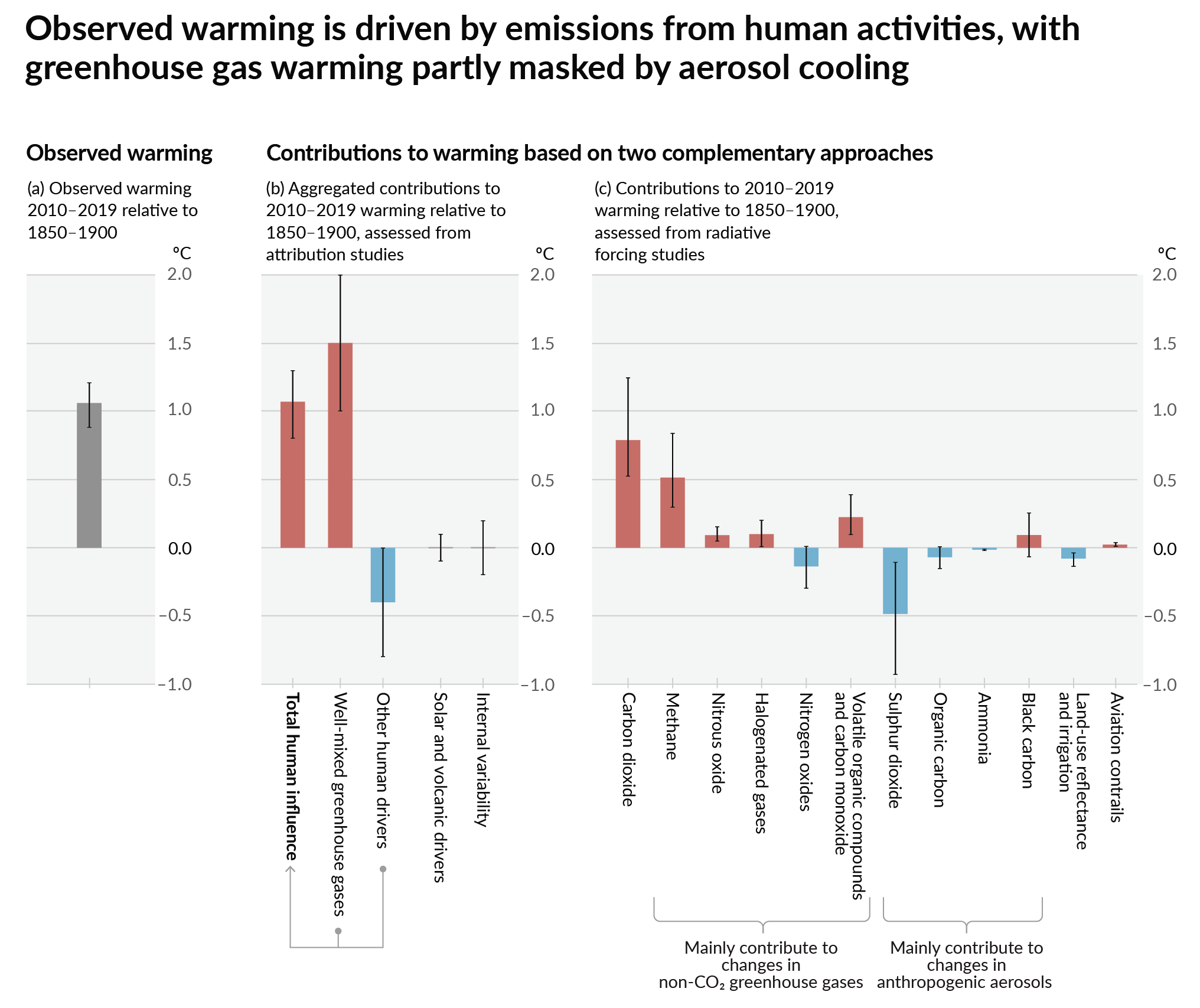
As a starting point, the burning of fossil fuels, and to a lesser extent deforestation and release of methane are responsible for the warming in recent decades:
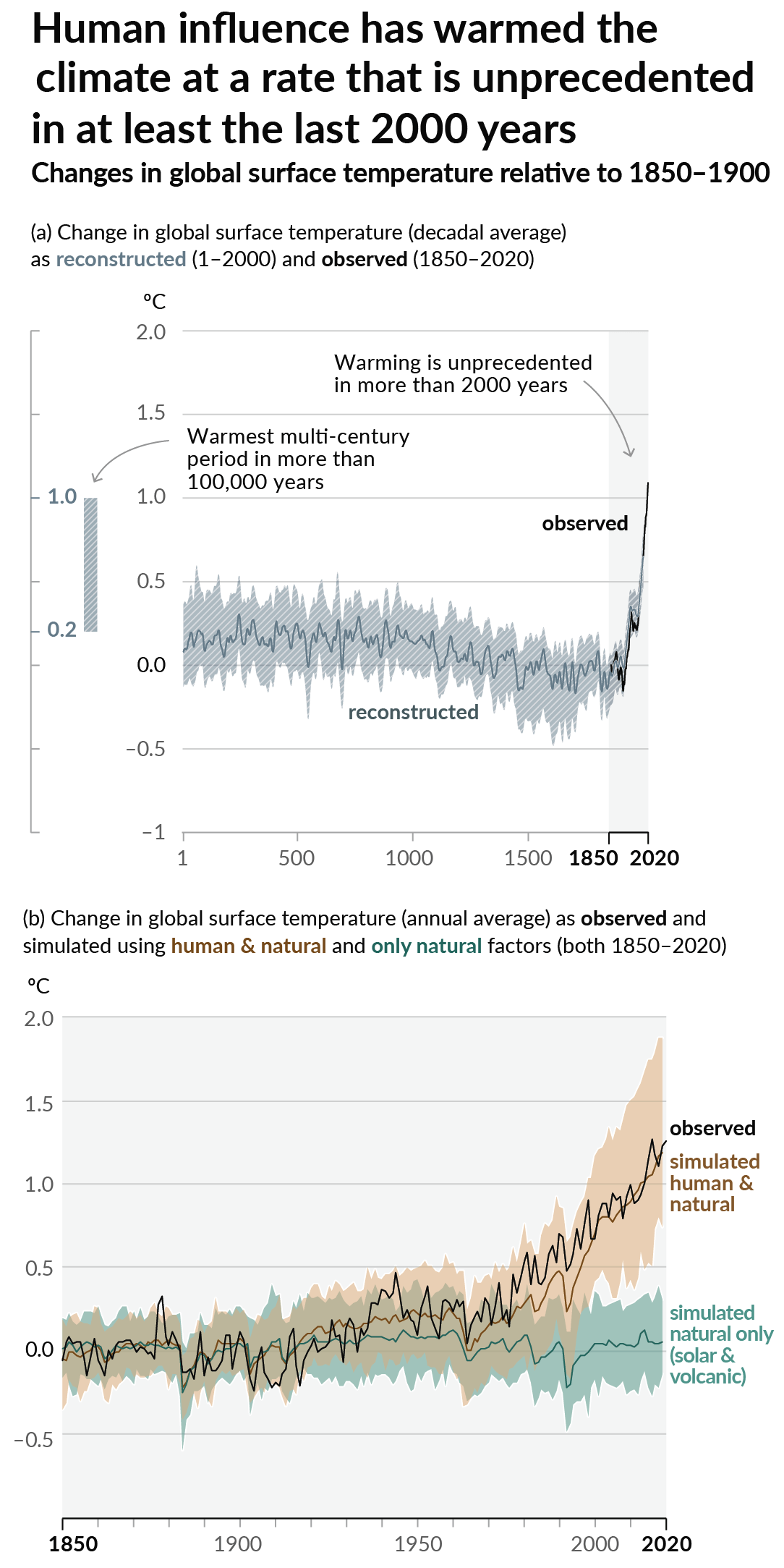
How much each change to the atmosphere has warmed the world:
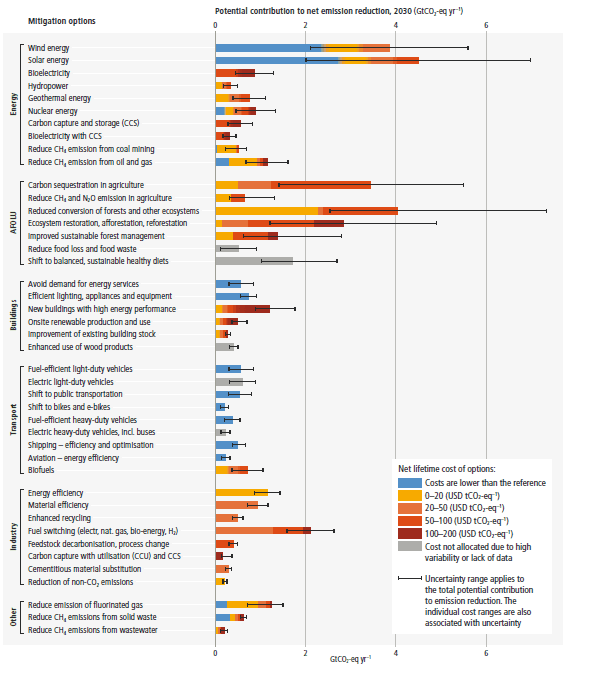
Recommended actions to cut greenhouse gas emissions in the near future:
Anti-science, inactivism, and unsupported conspiracy theories are not ok here.
founded 3 years ago
MODERATORS
you are viewing a single comment's thread
view the rest of the comments
view the rest of the comments
It seems you're spreading false information about what degrowth represents. In case you or anyone else is interested in what it stands for, here are some resources to help you better understand the movement.
Wikipedia
Degrowth is an academic and social movement aimed at the planned and democratic reduction of production and consumption as a solution to purported social-ecological crises. Commonly cited policy goals of degrowth include reducing the environmental impact of human activities, redistributing income and wealth within and between countries, and encouraging a shift from materialistic values to a convivial and participatory society. Degrowth is a multi-layered concept that combines critiques of capitalism, colonialism, patriarchy, productivism, and utilitarianism, while envisioning more caring, just, convivial, happy, and democratic societies.
Degrowth.info
Essential for Degrowth is:
Nature: Degrowth can work — here’s how science can help
Researchers in ecological economics call for a different approach — degrowth. Wealthy economies should abandon growth of gross domestic product (GDP) as a goal, scale down destructive and unnecessary forms of production to reduce energy and material use, and focus economic activity around securing human needs and well-being. This approach, which has gained traction in recent years, can enable rapid decarbonization and stop ecological breakdown while improving social outcomes. It frees up energy and materials for low- and middle-income countries in which growth might still be needed for development. Degrowth is a purposeful strategy to stabilize economies and achieve social and ecological goals, unlike recession, which is chaotic and socially destabilizing and occurs when growth-dependent economies fail to grow.
The Guardian: ‘These ideas are incredibly popular’: what is degrowth and can it save the planet?
“It is bad economics and it is also anti-scientific,” says Jason Hickel, the author of Less Is More. “People need to understand that ‘growth’ is not the same as social progress.”
Hickel is one of the leading lights in a growing post-growth or degrowth movement. Its proponents argue that economic success cannot be measured through the crude metric of gross domestic product (GDP) and that there needs to be a managed reduction in growth in carbon-intensive countries and industries.
“Growth simply means an increase in aggregate production, as measured in market prices,” says Hickel. “So, according to GDP growth, producing £1m worth of teargas is considered exactly the same as producing £1m worth of affordable housing or healthcare.”
I never said anything contrary to this. Reducing climate impact of energy is more important to human sustainability than local environment cleanliness, but certainly environment sustainability is also important. Degrowth is not needed. Taxes on pollution GHGs and polution (or better, regulatory obligation to clean up any) are. UBI in general and with those taxes as a specific funding component is great policy, and voluntary. Don't want to pay pollution or income taxes, then don't produce anything. Can still get rich from work, and letting UBI trickle back up to those who produce. UBI/wealth redistribution increases consumption, as more of it can be afforded by more people. The natural way of redistributing income among nations is to not protect domestic oligarchy.
There are systemic approaches to achieving clean growth that makes everyone, except those dependent on profit from slavery, happier. Evangelizing veganism and carbon footprints is fine when voluntary. Evangelism being successful on a mass scale, however unlikely, still leads to the usual coalition for fascist solutions, or accusations of it.
There are perfect effective systemic voluntary solutions (UBI, carbon taxes) to sustainability. Degrowth, will never be popular. Carbon footprint, was a shift to personal responsibility PR ploy paid for by BP. Degrowth, as a policy goal, or just loose association (like DEI) with one political party, would have a divisive benefit to oligarchism, and making reactionary oligarcho-fascism "populist".
We got here, because I was arguing with dishonest troll spouting loser US empire propaganda, btw. Climate terrorism is awesome, because China did not solve it in 2023, according to them. By coincidence, the climate terrorist supporter also advocates for degrowth.