Reclamation - restoring disturbed lands

650 readers
2 users here now

A place to discuss and learn about the restoration of disturbed lands to desirable end land uses

founded 3 years ago
MODERATORS
1


It is common practice for mines to store tailings waste as a fluid slurry behind earthen embankments or in depleted mine pits. Looked at purely from an upfront cost perspective, this is generally the most economical option. However, look at the same facility long-term and it is a different story. Unless mine owners view tailings management from a total cost/benefit perspective from cradle to grave, their risk analysis of what is considered an appropriate tailings management solution for start-up could be very short-sighted. A dewatering approach that extracts most of the liquid and changes tailings from a fluid to a soil product, offers many mine sites substantial long-term benefits

2


This review examines the use of In-Pit Disposal of Mine Tailings (IPDMT) as a sustainable mine closure strategy. The authors argue that advances in metallurgical technologies, increasing metal prices, and growing demand for critical minerals are making the reprocessing of historical tailings deposits increasingly attractive. Under this approach, reprocessed tailings can be returned to exhausted open pits, reducing reliance on conventional surface tailings storage facilities and supporting circular economy objectives. The paper evaluates the principal advantages and limitations of IPDMT and reviews the technical considerations required to achieve long-term closure performance. Key design elements include maintaining physical stability through pit slope management and tailings placement design, hydrological stability through water and seepage management, and geochemical stability through characterization of tailings and control of acid mine drainage risks. The authors conclude that IPDMT has the potential to reduce environmental footprints, closure costs, and long-term liabilities while providing a responsible alternative for tailings management. However, successful implementation requires rigorous evaluation of geotechnical, hydrogeological, and geochemical conditions and careful consideration of future resource sterilization and groundwater protection.

3


Mine tailings represent one of the world's largest industrial waste streams, with billions of tonnes generated annually and substantial environmental liabilities associated with long-term storage, abandoned mine sites, and acid mine drainage. This review evaluated approximately 90 publications to examine current advancements in the recycling and reuse of mine tailings and related mining wastes, with a focus on their environmental, technical, and economic implications. The literature indicates that waste minimization remains the preferred management strategy; however, reuse and recycling offer significant opportunities to reduce tailings inventories while recovering value from previously discarded materials. The most mature applications involve the construction sector, where tailings have been incorporated into concrete, cement, bricks, road materials, and mine backfill. Agricultural and soil amendment applications have also shown promise, particularly where tailings contain beneficial mineral constituents capable of improving soil structure, reducing erosion, or supplying nutrients. Additionally, advances in metallurgical processing have increased interest in reprocessing historical tailings deposits to recover residual metals such as copper, iron, zinc, and gold. Despite these opportunities, widespread implementation remains constrained by geochemical variability, metal leaching risks, acid-generation potential, transportation costs, and regulatory requirements. The review concludes that while mine-tailing reuse and recycling cannot fully replace sound waste management practices, they represent important components of a circular economy approach that can reduce environmental liabilities, conserve natural resources, and create additional value streams from mining operations

4


This paper proposes a systematic way to choose the best post-mining land uses, rather than treating reclamation as simply “put vegetation back.” The authors combine multiple criteria—economic, environmental, social and spatial constraints—with desirability functions and evolutionary optimization algorithms. The idea is to evaluate different possible land uses and combinations of land uses, score how desirable each is under the relevant constraints, and then search for the reclamation scheme that gives the best overall outcome.

They demonstrate the approach using the Amynteon lignite surface mine in Greece, where different portions of the disturbed area have different physical/spatial constraints and therefore aren't equally suitable for every future use. The model can account for things like which land uses are permitted in particular areas while also incorporating the decision-maker's priorities. The important takeaway for closure planning is that end land use can be treated as an optimization problem across the whole mine, rather than selecting one land use independently for each area or defaulting to ecological reclamation everywhere. It provides a framework for balancing competing objectives and constraints to arrive at a more defensible overall reclamation plan

5


revegetation is generally the best long-term way to stabilize metalliferous mine wastes, because vegetation controls erosion and dust, reduces water percolation and metal transport, and can provide a relatively cheap permanent cover. However, mine waste is usually a terrible growth medium: it can have toxic metals, extreme acidity, low nutrients and organic matter, poor water retention/structure, salinity, and little microbial activity. Because those constraints vary dramatically between sites, there is no universal reclamation recipe; the authors recommend characterizing the waste and using greenhouse/field trials to identify the actual limiting factors

main approaches range from direct seeding with conventional grasses/legumes where metals are relatively unavailable, to metal-tolerant plant populations on more toxic waste, to covers/barriers where the substrate is too hostile. While tolerant plants can establish directly on contaminated material and remain stable for years, but they don't eliminate the underlying pollution and can restrict future land use.

Overall, the paper's philosophy is essentially: match the reclamation treatment to the waste chemistry, physical conditions, climate and desired end land use, rather than automatically importing a thick layer of topsoil.

6


Good paper for underlying principles of reclamation

7


Part of reclamation is determining what land uses the landscape will have when everything is said and done. As indigenous groups are often left with the legacy of the closed mine, getting their input is crucial to reclamation planning.

8


A major part of reclamation is adequately evaluating what ecosystems were present before disturbance, and then anticipating what you'll have later on, based on climate change and changes to soil drainage, nutrients and topography.

Straker covers this pretty well. You can do a deep dive in his other papers, but this one summarizes the concept.

9


Buckthorn Removal Singles Club is a club focused on environmental and community restoration. The group is open to adults of all ages, genders, and sexualities.

Much as the capitalist landscape has led to natural spaces which are polluted, non-diverse, eroding, and choked by invasive species; capitalist management of our social environment has resulted in an online dating scene which is toxic, transactional, and unrooted in community. With online dating accounting for over 50% of new relationships (2025) and all other methods of meeting people in quick decline, it can begin to feel taboo to get friends to set you up on a date or ask out a stranger in public. The aim of this group is to bring people together in community over shared values and provide an alternative to the monoculture of online dating, where friendships and relationships can grow rooted in the nourishing soil of community care.

10


Hi, I'm wondering if two water-related things can be interlinked accurately.

The first is the issue of road salt in North America and the growing salinity of our water. Road salt has contaminated surface and groundwater to the point where some streams now show higher levels of brine in the middle of summer, when they're mostly fed by springs, rather than in first snowmelt when the runoff from roads and parking lots and driveways happens. I've found a few articles on phytoremediation but haven't vetted them yet; other than that the only answer I know of for restoring soil and groundwater is flushing out the salt, eventually all the way to the ocean (and of course to stop adding more). Unfortunately, saltwater is heavier than freshwater so it accumulates in the lowest part of ponds, lakes, and aquifers.

I'm wondering if pond levelers could help here. They're a contraption used to prevent beavers from raising the level of a body of water past a certain point. Typically they use a flexible pipe to pull water from above the dam, through the dam (humped up to the highest point humans want the water level to reach), and pour it down into the outflow stream/wetland. Ideally they're quiet and don't cause the beavers to keep looking for a leak, but at the very least they're pretty impossible for a beaver to jam full of sticks and mud. This keeps the beavers from flooding their dangerous human neighbors so they don't escalate to physical harm.

The idea I want to check is whether humans could work with beavers to siphon trapped saltwater from the bottom of a lake (and if there are any precautions you'd have to take). I've read about Beaver Dam Analogs and various systems for coexisting with beavers like pond levelers and diversion dams, but I've never worked on any of them. I don't think pond levelers follow siphon rules but I'm not sure.

11


The research, documented in the journal Environmental and Biogeochemical Processes, highlights an unexpected synergy between common soil bacteria, specifically Bacillus megaterium, and iron minerals. Together, these elements form a living biofilm that acts as a rechargeable geochemical capacitor. By capturing sunlight, the bacterial-iron film absorbs photons and captures electrons, storing them for use during dark periods. This ability opens up new avenues for understanding how soil microorganisms can adapt to varying light conditions, ultimately contributing to the degradation of harmful pollutants without direct sunlight.

Note: Even tho this article sounded exiting, I can't say I understand it fully due to my lack of knowledge on this topic. So, if there is a catch to this approach or worst, please write a comment!

12
13


“This is Velykyi Luh – the Great Meadow,” says Valeriy Babko, a retired history teacher and army veteran, standing on the former reservoir shoreline at Malokaterynivka village. For him, this extraordinary new-old environment represents more than nature alone. “It is an ancient, mythic terrain, woven through Ukrainian folklore,” he says.

That historic landscape vanished in 1956, when the Soviet Union completed the Kakhovka dam and hydroelectric power plant and flooded the entire region. What had once been an ecological and cultural cradle became a reservoir, and its rich, living systems were entombed beneath the water.

Then, in 2023, that water was unleashed as weapon: the Nova Kakhovka dam on the Dnipro River, under the control of Russian forces, was blown up (Russia denies bombing it). It sent a vast, destructive flood of water and sediment downstream, destroying villages and killing an unknown number of people; figures for the death toll range from a few dozen into the hundreds.

In the immediate aftermath of the bombing, Kakhovka reservoir resembled a desert of drying mud and cracked silt. Now, plants grow so thickly you must scythe through the vegetation covering the earth embankment before the basin comes fully into view. The size of it is difficult to take in: the reservoir’s surface area was 2,155 sq km (832 sq miles) – bigger than New York City and its five boroughs.

The latest report from the Ukrainian War Environmental Consequences Work Group (UWEC) confirms what satellite images, ecologists and field researchers began to observe over the past two years: the ecosystem of the lower Dnipro is not only recovering, it is evolving. The drained reservoir is now home to dense growths of willow and poplar and enormous wetlands; endangered sturgeon have returned to waterways; wild boar and mammals to the forests; and there are signs of spontaneous regeneration across a huge stretch of floodplain.

“We are witnessing the emergence of a massive natural floodplain forest system,” says Oleksiy Vasyliuk, co-author of a 2025 report on the reservoir for the UWEC and head of the Ukrainian Nature Conservation Group. “It is not a managed project. It is the land itself returning to life.”

14


Hi, hope this is okay - for the last year I've been working on a solarpunk fiction project that heavily features deconstruction, environmental restoration, rewilding, and phytoremediation and I'd very much like to run it by anyone who actually knows this stuff before we publish.

It's a solarpunk premade TTRPG campaign and hopefully soon-to-be Choose Your Own Adventure book set in a mostly abandoned town where basically the whole place is being deconstructed and rewilded. The players are tasked with tracking down a hidden industrial waste dump so the blast furnace slag and fly ash buried there can be reused in the production of geopolymers. In that time they can visit deconstruction sites, an unlined town dump in mid-excavation, a once-badly-damaged rewilding zone, phytoremediation sites (including one where they're rebuilding a wetland contaniminated by bad fill), beaver dam analogs on rivers, an enclave of fuel-engine mechanics, former sandpits, and more. Watersheds and groundwater movement play a fairly big role in the story, as do salvage and reuse.

I've learned a lot from posts on this community and I've tried to get the details right but though I've helped with some land conservation projects I don't have any experience at all with restoring damaged habitats with anything but time. If you're familiar with this kind of work, or even if this project just sounds interesting to you, I'd love to get your feedback!

You can find the document here:

https://docs.google.com/document/d/1_Ih5SXHQ6r5rQIAkPCzNjVEh921O3ceSN7FuYzEQ6aU/edit?usp=sharing

With a list of relevant sections on the first page after the cover.

And for those of you who would (quite reasonably!) prefer to avoid google services you can find an etherpad version here: https://pads.slrpnk.net/p/Buried_Treasure

Though I'd be happy to exerpt those sections in the comments if you'd prefer to avoid google services.

15


Detection dogs can be uncannily good at finding things from scent. For me at least, the first jobs that come to mind are law enforcement related; cadaver dogs, drug dogs, or dogs trained to detect explosive compounds (and the various problems and abuses associated with these dogs' jobs) - but dogs are finding work finding all kinds of other stuff too! I was recently looking up examples of detection dogs searching for toxic waste for a fiction project and thought I'd share some exerpts from the articles I found:

https://www.washington.edu/boundless/conservation-canines/

Jasper is part of a new approach: He’s helping Seattle Public Utilities identify possible sources of polychlorinated biphenyls (PCBs).

PCBs, toxic chemicals once found in everything from electrical transformers to caulking, are said to have no known smell, but Jeffers often detected a sweet, chlorinated scent. He wondered if a dog could do the same — and possibly at lower levels of concentration.

When Jasper sits in front of a cheerful yellow storefront in Ballard, shoulders upright and hips square to the ground, he’s telling Ubigau he has identified PCBs. But he gets his reward — that coveted ball — only if he’s right. Standing a few feet away in bright orange jackets, a trio of inspectors from SPU’s Source Control and Pollution Prevention Division check the address against a list. They’ve mapped out suspected sources of PCBs in the area, but they want Jasper to verify. Neither the handler nor the dog knows the targets in advance. “Reward him,” SPU lead inspector Jeffers says to Ubigau. Jasper’s nose has led him straight to a target.

“Our goal was to see if we could train a detection dog to smell PCBs, and at what level,” says Jeffers about the successful pilot study. Since then, SPU and Conservation Canines have done about nine surveys, primarily along the Lower Duwamish Waterway — a designated EPA Superfund site, where PCBs from old industrial sources may have seeped into the ground or river. When Jasper detects PCBs, as he does on this day in Ballard, SPU coordinates with the property owner and state and federal agencies to clean up the site. The trained dogs often go beyond the call of duty by detecting previously unknown sources, making them an integral part of the fight to remove harmful chemicals from the environment.

https://www.wsp.com/en-us/insights/meet-louie-wsps-newest-four-legged-pollution-detective

Meet Louie [...] this former explosive detection dog is now trained with one specific task in mind: finding the sources of chlorinated solvents that are wasted or improperly disposed of in natural and built environments.

he might possibly be the first pollution detection dog in the world trained to detect chlorinated solvents—chemical compounds that are readily used for commercial and industrial purposes, including metal cleaners/degreasers, paint thinners, pesticides, glues, and dry cleaning applications. When handled, stored and disposed of improperly, these compounds and their waste can release vapours into the air, seep into soils and groundwater and even end up in homes or workplaces, potentially posing environmental or health risks.

“As chlorinated solvents are often invisible, they can be located using traditional methods such as photoionization (PID) detectors, a sensor tool that screens for the presence of gases, reads volatile organic compounds (VOCs) concentration levels, indicating too-high levels, but not necessarily by product type,” says Mette.

This is where Louie steps in with his acute sense of smell, working on all types of projects to find the sources of chlorinated solvents in surface water, groundwater, soil and air. His ability to smell and react on the smallest concentrations of chlorinated solvents is truly extraordinary, something that would be quite impossible to do using other tools.

For example, instead of drilling in different spots to search for pollution, through his keen sense of smell he can determine the spot that will be most successful for drilling. Furthermore, Louie can even find the sources of polluted water or toxic gases within a building, if built on a polluted plot.

There is a myriad of other benefits. With the use of Louie’s nose, sources of pollution can cover more space, in less time and with more accuracy. 

For skeptics out there, consider the following. Mette recounted a story about working on a project where the client’s house was contaminated. Before the house would be taken down, the client requested that photos be taken and suggested taking them from the garden. As the client, Mette and Louie walked through the garden, Louie went through his detection motions, making a mark on the grass. Though surprised, the client was adamant that his garden was not polluted. But Mette knew better. When the bulldozer arrived the following week, it never had a chance to reach the house. The ground gave way in the garden, swallowing the bulldozer and exposing a well that was contaminated with chlorinated solvents at the spot where Louie had pointed out.

“In other cases,” Mette adds “we’ve found exposure in parts of houses that weren’t flagged by traditional methods.” In all evidence, she says that “we actually get better site investigations when we add in this sniffer dog method. And, this is very important when we must do remediation, we have all possible sources for this indoor problem to consider.”

https://aegisenvironmentalinc.com/commercial/site-investigation-scent-dog/

Like dogs trained to locate chemical traces of accelerants for arson investigations, our scent dog, Piper, is trained to detect traces of petroleum such as crude oil, diesel fuel, and gasoline. It is estimated that dogs can detect scents 40 feet underground. When petroleum is found in numerous locations, Piper is trained to pinpoint the area where petroleum concentration is greatest.

Piper’s handler will draw upon his experience to develop a search plan, giving Piper the best opportunity to locate the desired odors. When, or if, anything of interest is found, the area is marked, and the appropriate professionals will take over. Dogs can detect trace amounts of materials, which would be almost impossible to find using other means. Piper is a valuable and unique asset trained to help site investigators locate the area where contamination is present. Ultimately it is up to the investigator to ensure the information provided by Piper’s search is valid and used in a valuable way.

There's also a ton of examples of detection dogs being trained to find invasive species.

Semi related, from the first article:

In a pilot study funded by the Department of Homeland Security, the dogs are being trained to detect minuscule traces of illegal timber in vacuumed air samples from shipping containers. “The beauty of this method is that we can search hundreds of containers really quickly, and we don’t even have to take them off the line,” Wasser says, noting that it could be a powerful tool for both law enforcement and conservationists concerned about habitat loss.

16


I was recently reading up on Beaver Dam Analogs for a fiction project and thought I'd share some of the links I found really interesting. I got started on it because I frequently go for walks in the woods and there's an old logging road/snowmobile trail the beavers frequently flood since it's a low spot between two water bodies. I don't mind and just walk into the woods below their dam to hop across but a nearby landowner keeps destroying their dam to keep the trail dry. I wondered if I couldn't build them the start of a dam on the uphill side of the trail so they'd build there instead and keep the guy from escalating.

Anyways, I read up on it and learned about BDAs and PALS and the way they can help bring the habitat, water table, etc closer to how they looked a couple hundred years ago and wrote them into a premade campaign guide I'm writing for the Tabletop Role Playing Game Fully Automated.

Folks here probably know about these already but I thought I'd share the sources I referenced when I was writing that section just in case.

https://www.science.org/content/article/beaver-dams-without-beavers-artificial-logjams-are-popular-controversial-restoration

https://americanclimatepartners.org/building-beaver-dam-analogs-bdas/

https://www.northwoodscenter.org/wordpress/how-to-build-beaver-dam-analogs-w-mwa/

https://www.beaverinstitute.org/get-beaver-help/damaged-streams/

I think the process and scope of the recovery in some areas is amazing and it's sort of reshaped how I see some of the region where I grew up. Some of the woods are the exact kind of beaver-based wetlands these articles describe as the sort of finished product, while some streams are deeply incised and I never even realized that was bad - it was just how they'd always been.

17


When Angela Chalk first heard there were ways that ordinary people could offset flooding in New Orleans, she was skeptical.

Her neighbors in the Seventh Ward knew all about heavy rains that brought knee-high floodwaters, spilling into porches and marooning cars and homes, and were frustrated that it was something they felt powerless to stop.

Then she heard Jeff Supak, head of a nonprofit organization now called Water Wise Gulf South, talk about how simple fixes like rain gardens and vegetated ditches, also known as bioswales, could soak up extra rain.

A bioswale was installed alongside Ms. Chalk’s driveway, native species were planted, and clay in her backyard was replaced with absorbent soil.

During the next heavy downpour, Ms. Chalk looked outside. Storm water that previously had nowhere to go was seeping into the ground. She took photos and shared them with friends.

“What I saw at her home was a project that I had never witnessed before,” recalled one of the friends, Cheryl Austin, who works with a community organization, the Greater Treme Consortium. “I was so impressed.”

https://archive.ph/rkuYZ

18


cross-posted from: https://slrpnk.net/post/20534437

Thorn forest once blanketed the Rio Grande Valley. Restoring even a little of it could help the region cope with the impacts of climate change

19


cross-posted from: https://slrpnk.net/post/20554167

archived (Wayback Machine)

...one thousand trucks poured into the national park, offloading over 12,000 metric tons of sticky, mealy, orange compost onto the worn-out plot. The site was left untouched and largely unexamined for over a decade. A sign was placed to ensure future researchers could locate and study it.

16 years later, Janzen dispatched graduate student Timothy Treuer to look for the site where the food waste was dumped.

Treuer initially set out to locate the large placard that marked the plot — and failed.

Compost your fruit scraps! (Or just throw them on the neighbour's pasture land.)

20


cross-posted from: https://slrpnk.net/post/20537638

In a drought-hit Mexican border region at the center of growing competition with the United States for water, conservationists are working to bring a once-dying river delta back to life.

21
 
 
22


cross-posted from: https://peculiar.florist/notes/9mvjejg1u8q1tqnr

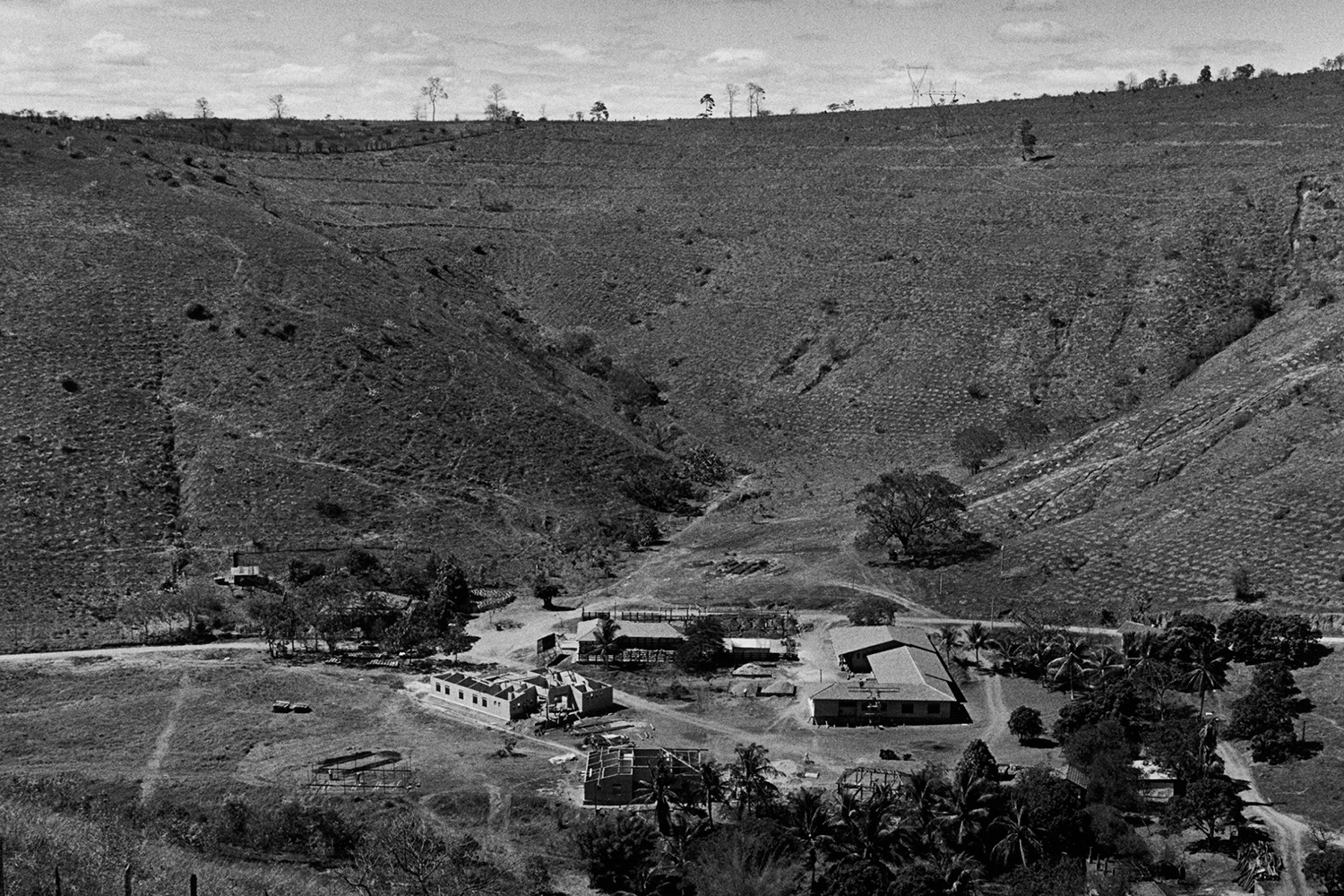
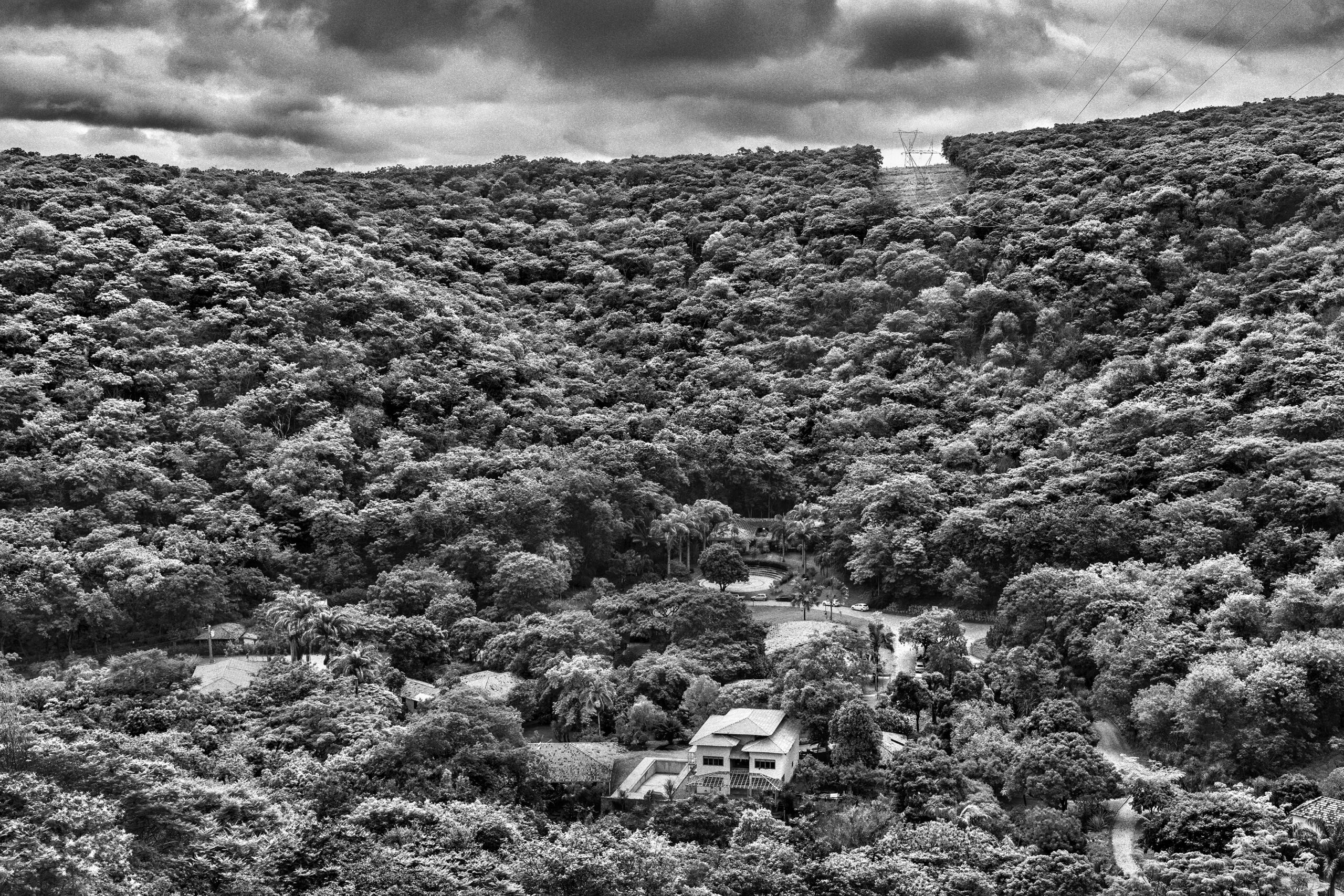
What was once pasture is now a forest.

www.boredpanda.com/brazilian-couple-recreated-forest-sebastiao-leila-salgado-reforestation/
institutoterra.org/o-instituto/

Instituto Terra is a non-profit civil organization founded in April 1998. It is focused on the environmental restoration and sustainable rural development of the Doce River Valley. The region was originally covered by the Atlantic Forest and covers municipalities of Minas Gerais and Espírito Santo bathed by the Doce River Basin.

The Rio Doce Basin is one of the most important in the Brazilian Southeast. In its domain live more than four million people, who face the consequences of deforestation and the disordered use of natural resources, such as soil erosion and water scarcity.

The Terra Institute is the result of the initiative of the couple Lélia Deluiz Wanick Salgado and Sebastião Salgado, who faced the scenario of environmental degradation in which the old cattle farm acquired from the family of Sebastião Salgado – like the many other rural units located in the mining city of Aimorés – made a decision: to return to nature that decades of environmental degradation destroyed.

The first step was to transform the area into a Private Reserve of Natural Heritage – RPPN Fazenda Bulcão. The title was obtained in an unprecedented way in October 1998, being the first environmental recognition granted in Brazil to a completely degraded property, given the commitment to be reforested.

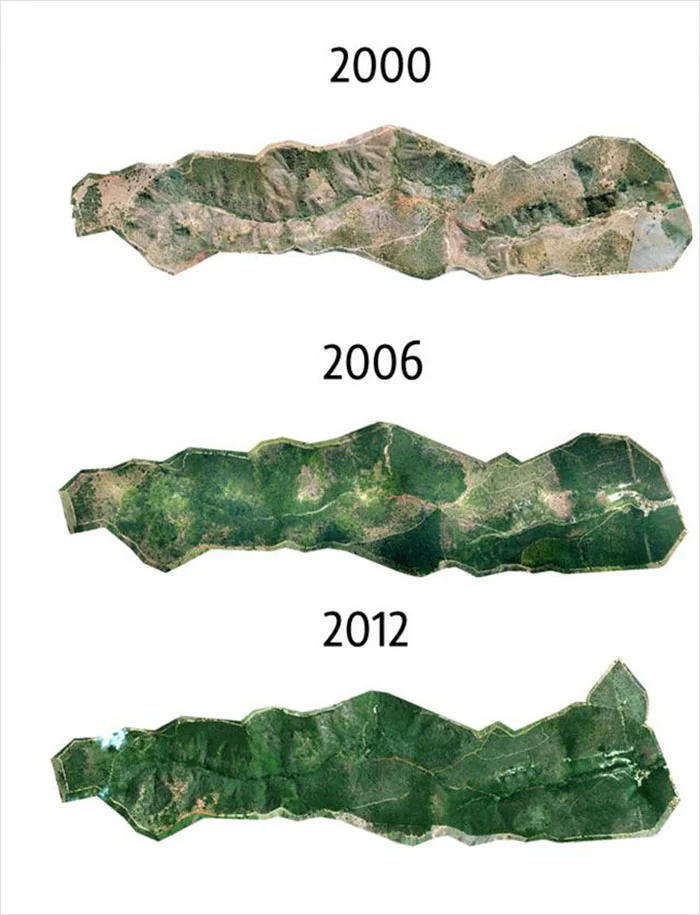
The first planting was carried out in November 1999 and was attended by students from schools in the municipality of Aimorés, in Minas Gerais. Thus was born the largest proposal of the Earth Institute: to share with the community of its surroundings all the knowledge acquired in the environmental restoration of the 608.69 hectares of the RPPN Fazenda Bulcão.

To achieve this goal develops projects ranging from forest restoration and nascent protection to applied scientific research and environmental education. The financial support comes from different partners, both from the governmental and private enterprise, as well as from Foundations and individual donors from various countries and other institutions of the Third Sector.

Due to the action of the Earth Institute, thousands of hectares of degraded areas of the Atlantic Forest in the middle Doce River and close to 2,000 springs are in the process of recovery. The former cattle ranch, once completely degraded, today houses a forest with diversity of species of the flora of Atlantic Forest.

The experience proves that with the recovery of green, springs flow again and species of the Brazilian fauna, at risk of extinction, return to have a safe refuge.

avant : institutoterra.org/wp-content/uploads/2020/08/antes-1.jpg
après : institutoterra.org/wp-content/uploads/2023/06/Instituto-Terra-2022-%C2%A9Sebastiao-Salgado-221213-00-00393-scaled.jpg

#ecologie #Bresil #InstitutoTerra

@environnement

23


the city has created seven “biodiversity parks” on previously degraded land, reports contributor Nidhi Jamwal for Mongabay India.

The Delhi Development Authority (DDA), along with the University of Delhi, began restoring the mined area in 2004. Today, three previously abandoned deep mining pits serve as conservatories for butterflies, ferns and orchids.

24


Cleaning up contaminated land is a struggle. Meet some of the community leaders who are taking matters into their own hands.

25
view more: next ›